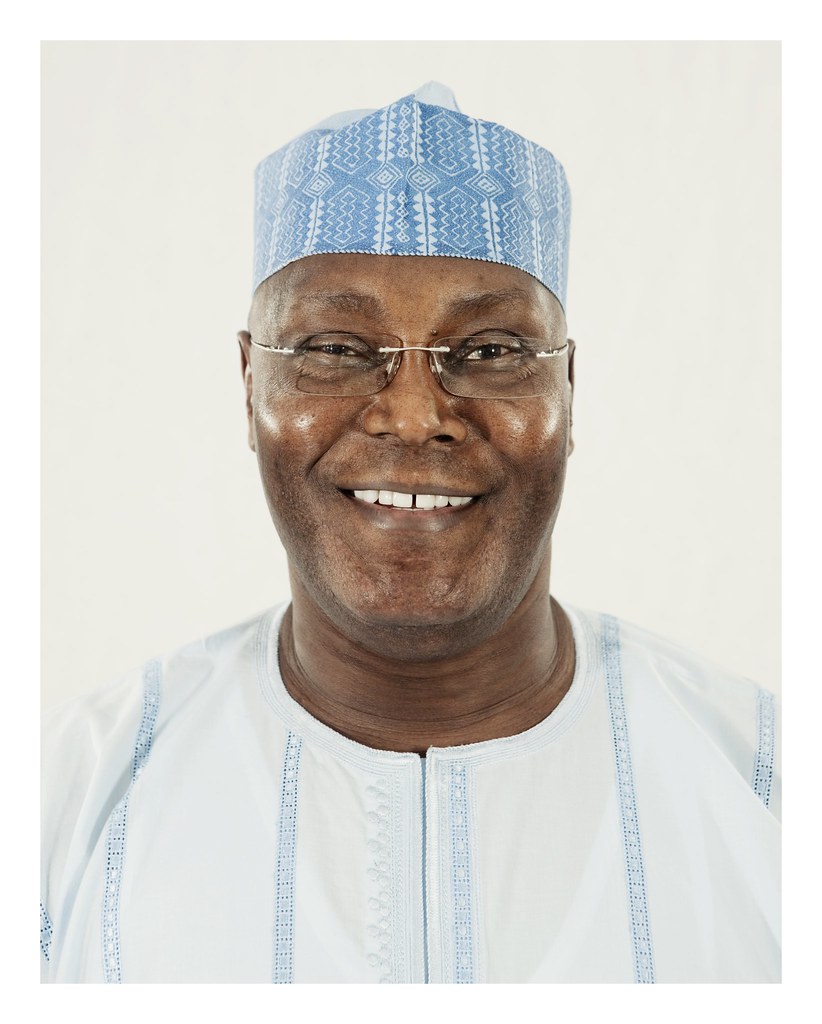
President Bola Tinubu's government faces growing criticism from former leaders over its strategy of increasing external and domestic borrowing, with concerns that the approach risks Nigeria's long-term economic stability. Former Vice President Atiku Abubakar has condemned the decision, calling it reckless and dangerous, as it could jeopardize the country's future. He argues that the move is driven by short-term political interests rather than sustainable economic planning.
Atiku's remarks come amid rising public frustration over the government's financial decisions. According to recent reports, debt servicing now consumes 65% of Nigeria's national revenue, a figure that has sparked alarm among economists and opposition figures. Former President Olusegun Obasanjo has echoed these concerns, describing the debt burden as "worse than leprosy" due to its severe impact on both current and future generations.
Obasanjo has also warned against allowing foreign entities to dominate emerging technologies like artificial intelligence, which he believes could further threaten national sovereignty. His criticism highlights a broader debate within Nigeria's political elite about the balance between economic development and fiscal responsibility.
The controversy reflects deepening divisions in Nigerian politics, with opposition leaders accusing the Tinubu administration of prioritizing short-term gains over long-term stability. As the debate intensifies, the government faces mounting pressure to address the growing concerns over its financial strategy and its implications for the nation's future.