Brazil’s President Luiz Inácio Lula da Silva secured a fourth term in office after winning Sunday’s runoff election with 51.8% of the vote, according to official results. His opponent, former President Flávio Bolsonaro, has rejected the outcome, claiming irregularities in the voting process. Lula’s victory marks a shift back toward leftist policies in Brazil, countering a regional trend toward conservative governance.
Lula’s win came after a closely contested race that saw him defeat Bolsonaro in the second round. With 100% of the votes counted, Brazil’s electoral court declared Lula the winner. The result has been met with mixed reactions, with Lula’s supporters celebrating the return of a leftist leader, while Bolsonaro’s allies accuse the election of being manipulated.
This election follows years of political polarization in Brazil, where Bolsonaro’s administration was marked by controversial policies and a strong anti-establishment stance. Lula, who previously served as president from 2003 to 2011, is seen by many as a symbol of progressive reform. His re-election has raised hopes for renewed social programs and economic stability, though challenges remain in implementing his agenda.
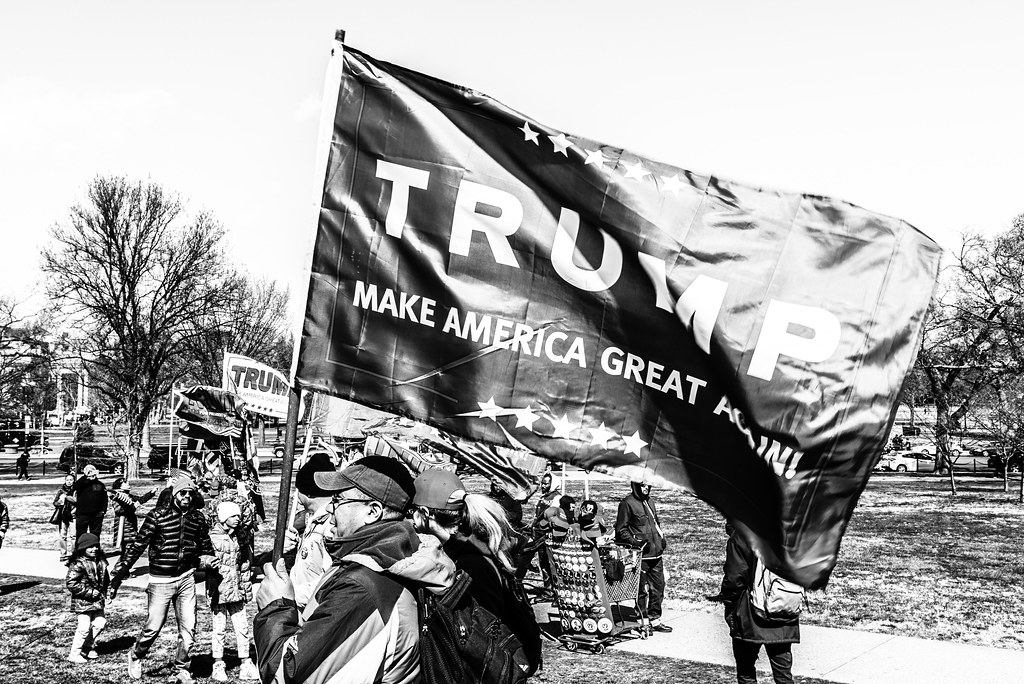
Lula’s victory also has implications for international relations, particularly with the United States. As a vocal critic of Donald Trump, Lula’s re-election has been welcomed by some as a counterbalance to U.S. Influence in Latin America. Meanwhile, Bolsonaro’s rejection of the results highlights ongoing tensions within the country’s political landscape. The situation remains fluid as legal challenges and public debates continue.