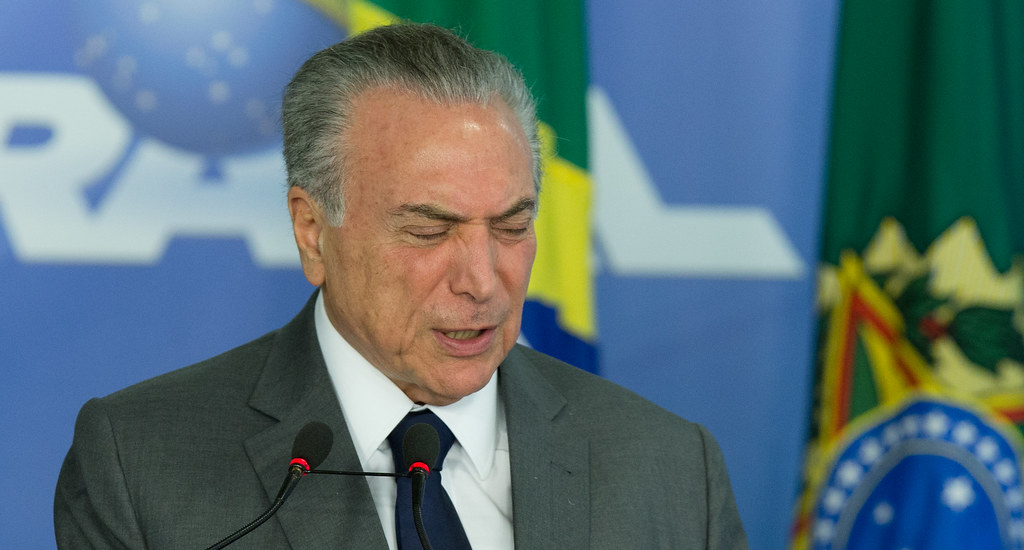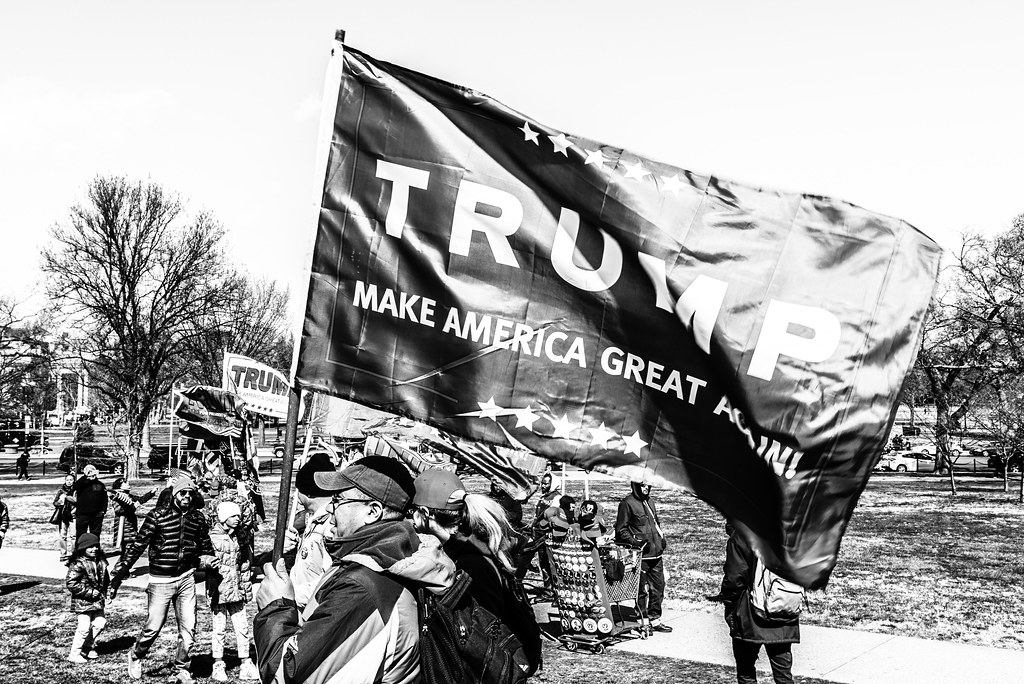
Lula da Silva, former president of Brazil, was officially declared the winner of the country’s presidential election. The result marks a significant shift in Latin American politics, as Lula, a leftist leader, ended a streak of conservative victories in the region since Donald Trump’s return to the U.S. Presidency. With 100% of the votes counted, the electoral court announced Lula’s victory, making him the first leftist to win the presidency in Brazil in over a decade.
Lula, 76, ran on a leftist platform and gained support from progressive voters. His win is seen as a rejection of the policies of his predecessor, Jair Bolsonaro, a far-right leader who aligned closely with Trump. Bolsonaro, who lost the election, has refused to accept the results, claiming irregularities in the vote count. His campaign has called for a recount, but no official evidence has been presented to support his claims.
This election comes amid growing concerns over U.S. Influence in Latin America. Lula’s victory is viewed as a win for regional sovereignty, as he has consistently criticized Trump’s foreign policy and advocated for closer ties with other Latin American nations. His re-election is expected to bring a more progressive agenda, including environmental protections and social reforms.
Lula’s return to power is a major development in the region, signaling a potential realignment of political power. His victory contrasts sharply with the pro-Trump policies of Bolsonaro and highlights the shifting political landscape in Brazil. The outcome will have implications for both regional politics and U.S.-Latin American relations.