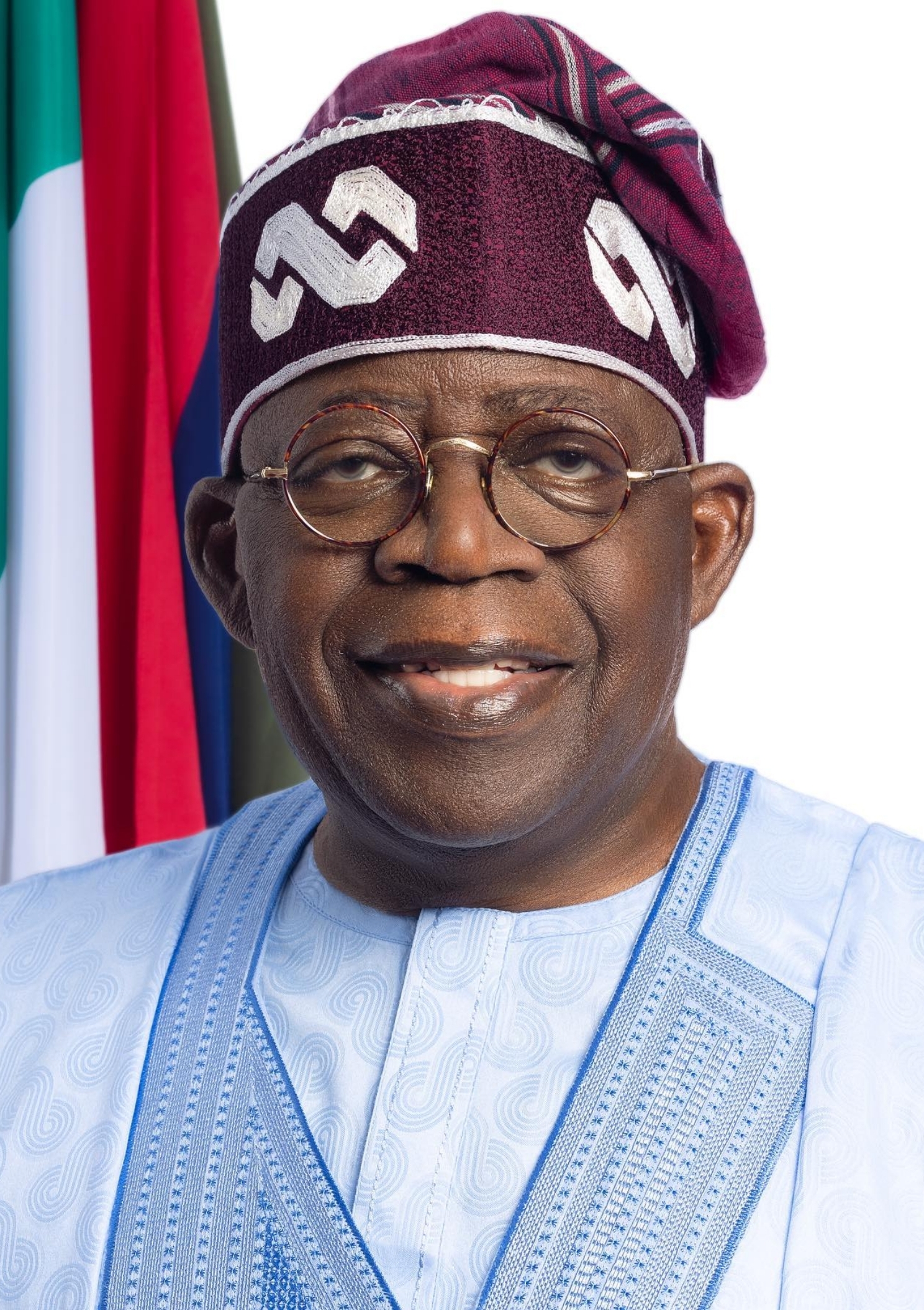
In 2027, the ruling All Progressives Congress (APC) faces internal challenges as the coalition led by former governor Kashim Shettima begins to gain influence in three states. The development signals a potential shift in the political landscape, with APC members reportedly showing signs of discontent. The coalition, known as Wike’s Rainbow Coalition, is seen as a response to the growing dissatisfaction among APC members who feel marginalized within the party.
The movement has sparked discussions about the party's internal cohesion, particularly as some members are reportedly considering aligning with opposition platforms. This comes amid ongoing efforts by President Bola Tinubu’s campaign to secure re-election. The coalition’s rise is attributed to its focus on grassroots engagement and addressing local grievances, which has resonated with some APC members.
This situation follows a series of internal party dynamics that have weakened APC’s traditional dominance. The coalition’s emergence highlights the increasing fragmentation within the ruling party, raising concerns about its ability to maintain control in upcoming elections. The political landscape is now more contested, with multiple factions vying for influence ahead of the 2027 polls.