The US and Israel have intensified military actions in the Persian Gulf, prompting the EU to delay methane emissions reporting rules. The decision comes amid heightened regional tensions linked to the ongoing conflict with Iran.
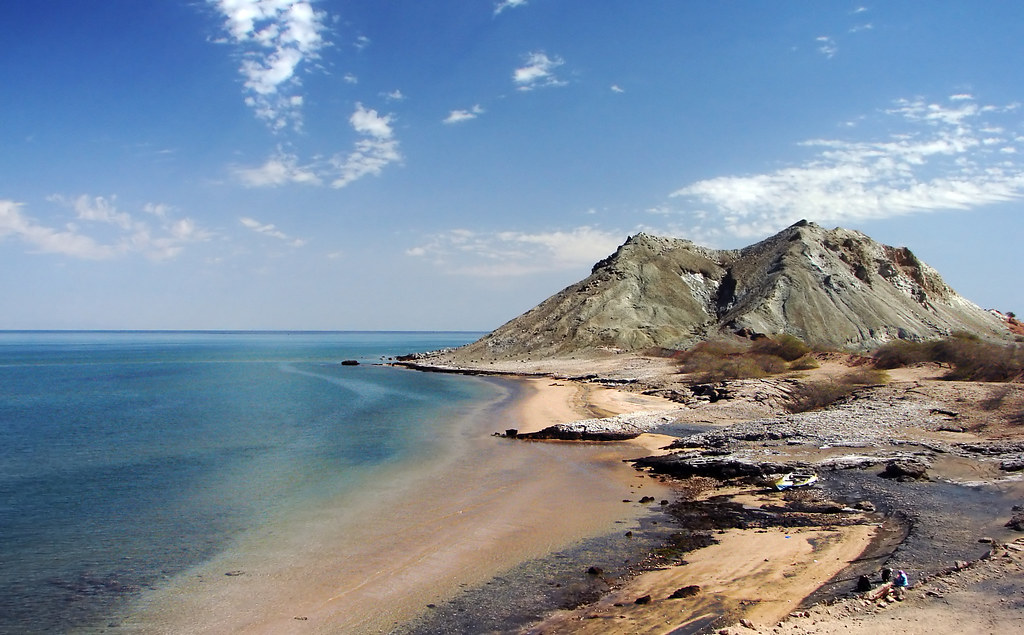
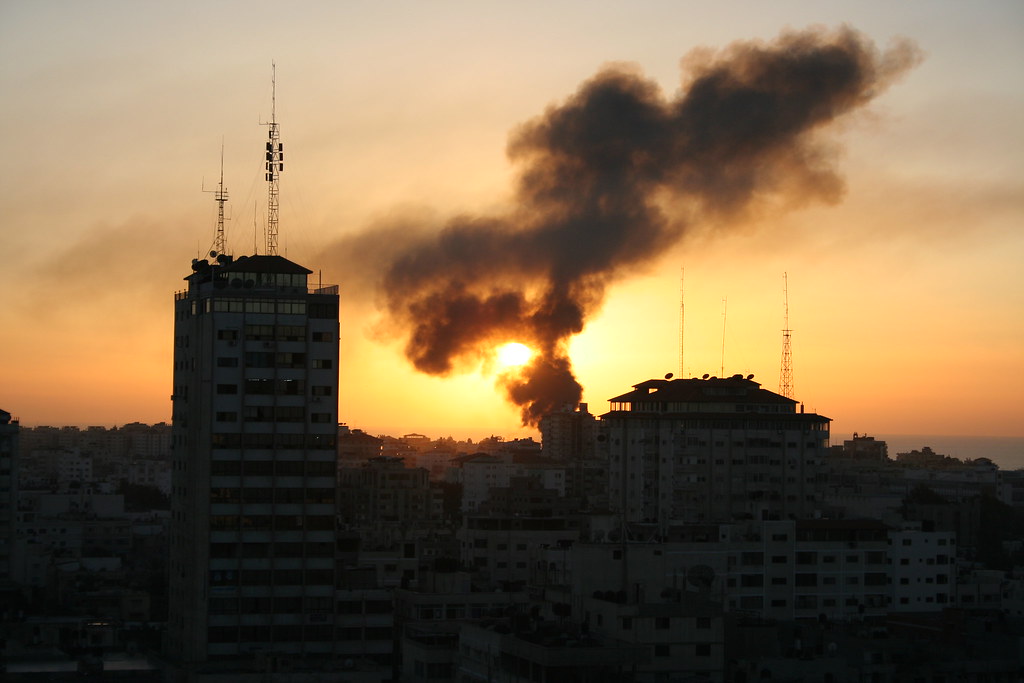
Iran's Islamic Revolutionary Guard Corps (IRGC) announced it shot down a US MQ-1 drone over Qeshm Island, a strategic location near the Strait of Hormuz. The attack follows reports that three oil tankers were struck while transiting the critical waterway, which serves as a major route for global oil shipments.
The EU’s delay in implementing methane regulations is tied to concerns over energy market instability caused by the war. European officials cited disruptions in supply chains and increased volatility in oil prices as key factors. The move reflects a broader shift in policy priorities in response to the escalating conflict.
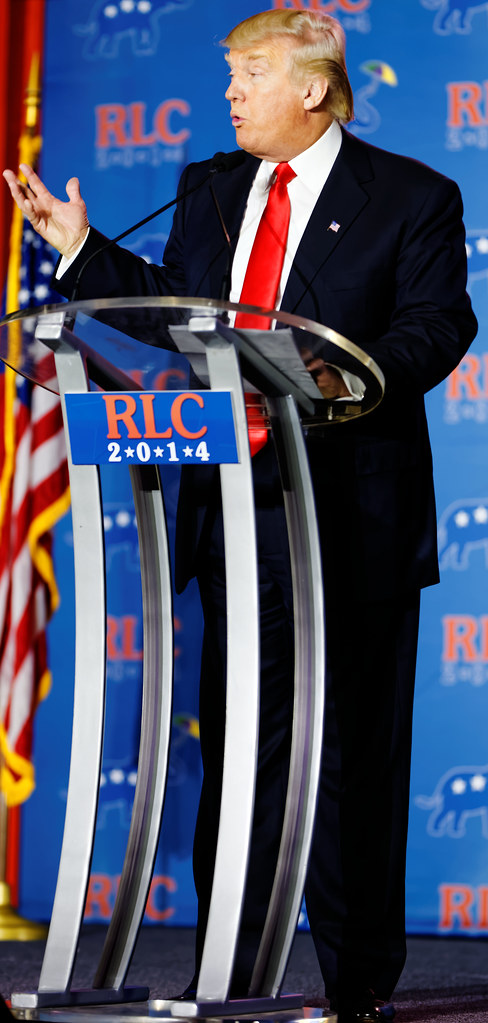
The Strait of Hormuz has become a focal point of regional instability, with both sides accusing each other of provocative actions. The recent tanker attacks and drone downing underscore the growing risk of conflict in the region. Diplomatic efforts, including talks between former US President Donald Trump and Qatar’s Emir, aim to de-escalate tensions, with a focus on ensuring safe navigation through the strait.
The situation highlights the complex interplay between military actions and economic consequences, as energy security remains a central concern for global markets. The EU’s policy shift and Iran’s military response illustrate the far-reaching impact of the conflict on international relations and energy policy.