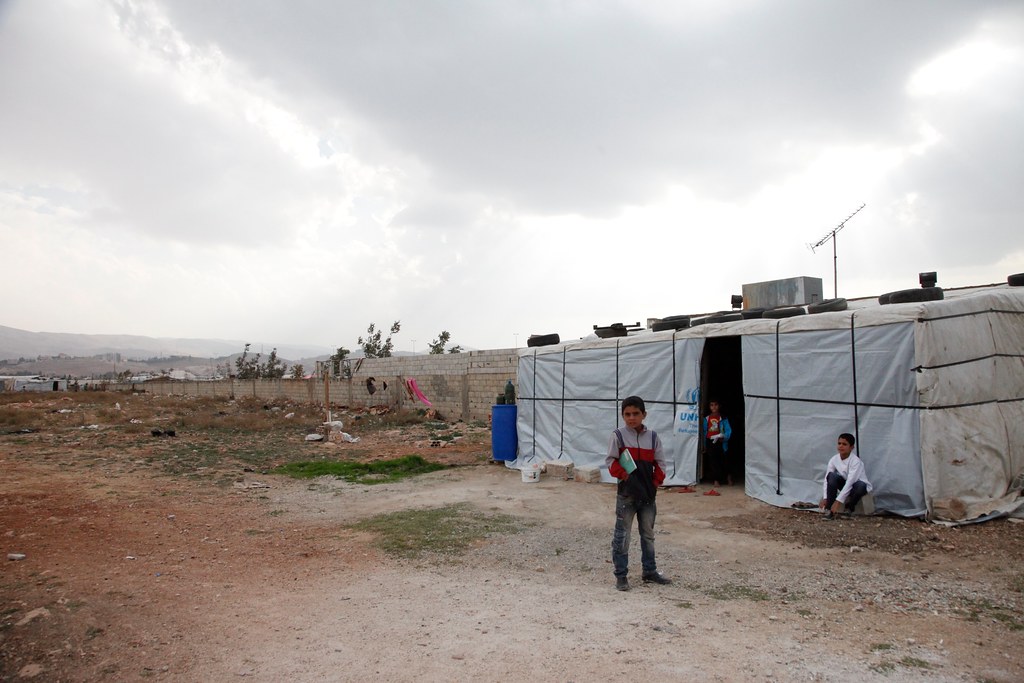
Hebron remains under Israeli siege as the ninth day of the blockade passes, according to local authorities. The mayor of Hebron told Al Jazeera that the city is experiencing what he described as “collective punishment.” Israeli forces have maintained a strict blockade around the city, restricting movement and access to essential supplies.
The Islamic Revolutionary Guard Corps (IRGC) has responded to the situation by stating that its forces are “relentlessly enhancing their combat readiness.” This statement comes amid heightened tensions following the U.S. President’s remarks on the Middle East, which the IRGC has criticized as a “record of betraying diplomacy.” The group has not specified any direct military action but has emphasized its commitment to regional security.
The siege of Hebron has drawn international attention, with concerns growing over the humanitarian impact on the civilian population. Reports indicate that access to medical care, food, and clean water has been severely limited. The situation echoes past conflicts in the region, where prolonged sieges have often led to significant humanitarian crises.
The IRGC’s increased military posture reflects broader geopolitical tensions, particularly in light of recent diplomatic developments. While no direct military confrontation has occurred, the escalation underscores the complex dynamics at play in the region. As the situation continues, the focus remains on the humanitarian conditions and the potential for further escalation.