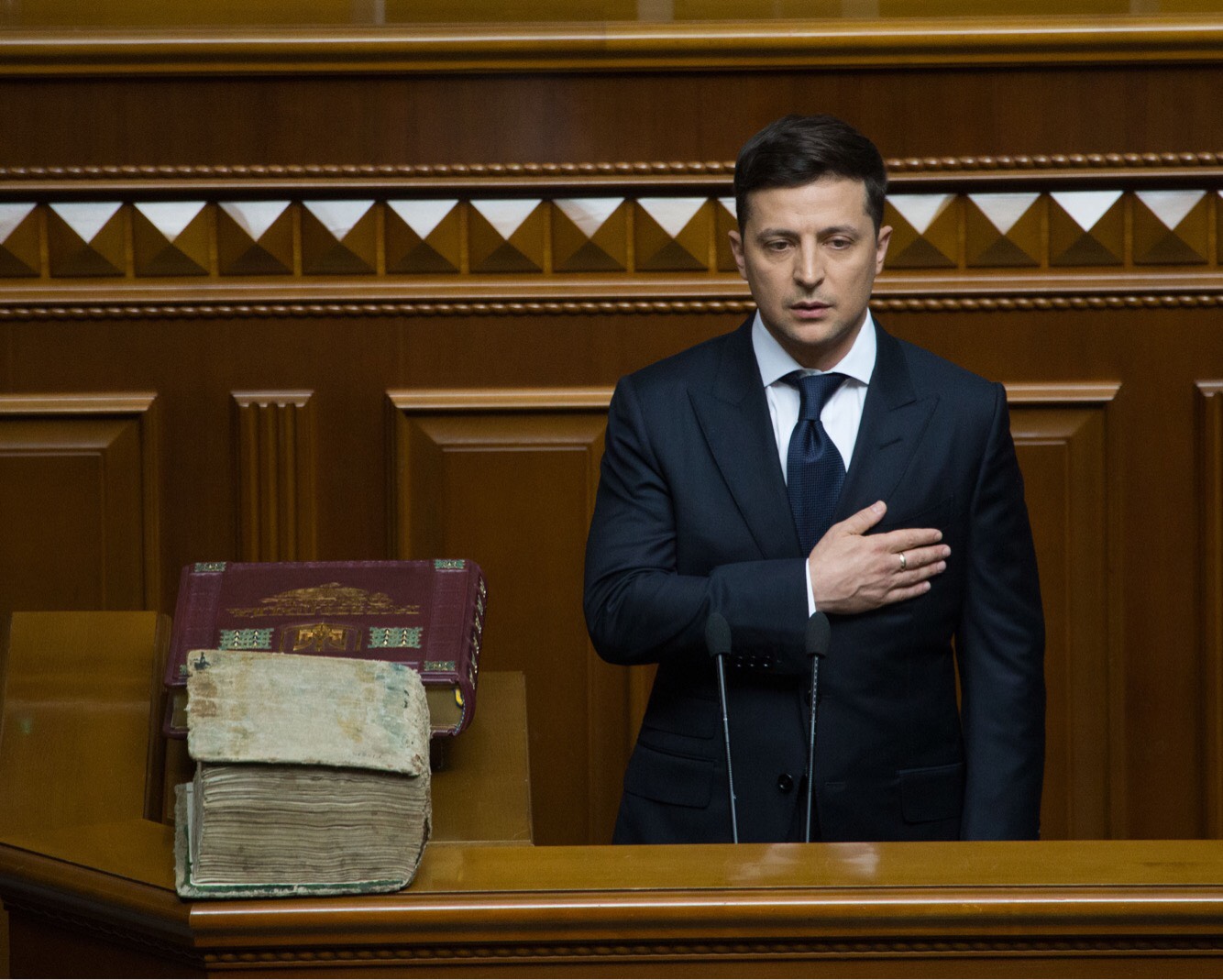
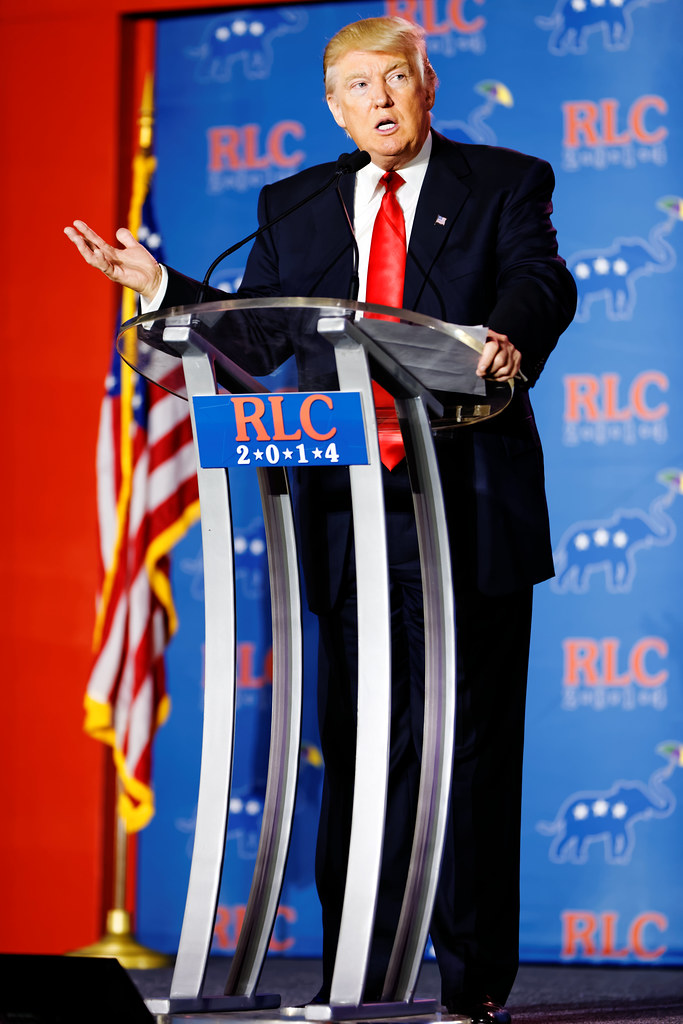
U.S. President Donald Trump announced an "energy ceasefire" between Russia and Ukraine, claiming the agreement would reduce fuel costs. The move came amid rising energy prices and political pressure on both sides. Ukraine's President Volodymyr Zelensky stated he was unaware of the deal but said his country would accept it if Russia did.
Hours after the announcement, Russian forces attacked a power plant in Kharkiv, striking it at least twice and causing it to catch fire. Ukrainian officials confirmed the attack, linking it directly to the timing of Trump's statement. Zelensky described the incident as a "shameful" response to the U.S. Initiative.
Six U.S. Senators, including both Republicans and Democrats, criticized Trump's decision, calling it illegal and contradictory to U.S. Law. They argued the plan to purchase diesel from Russia undermines efforts to hold the country accountable for its actions in Ukraine. The senators also expressed concern over the lack of congressional consultation before the announcement.
The energy ceasefire proposal was part of Trump's broader strategy to lower fuel prices by easing sanctions on Russia. However, the attack on the Ukrainian power plant has raised questions about the potential consequences of such diplomatic moves. The situation highlights the complex interplay between U.S. Foreign policy and regional security dynamics.