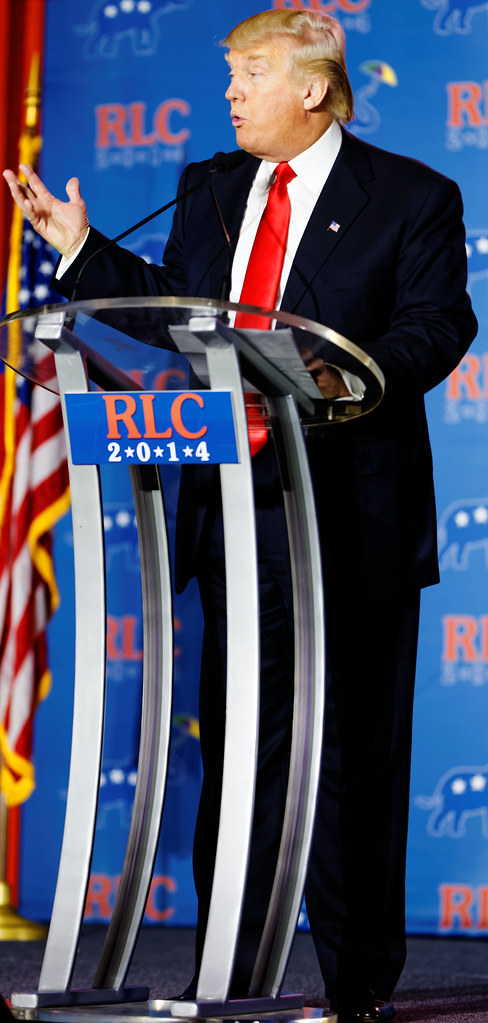
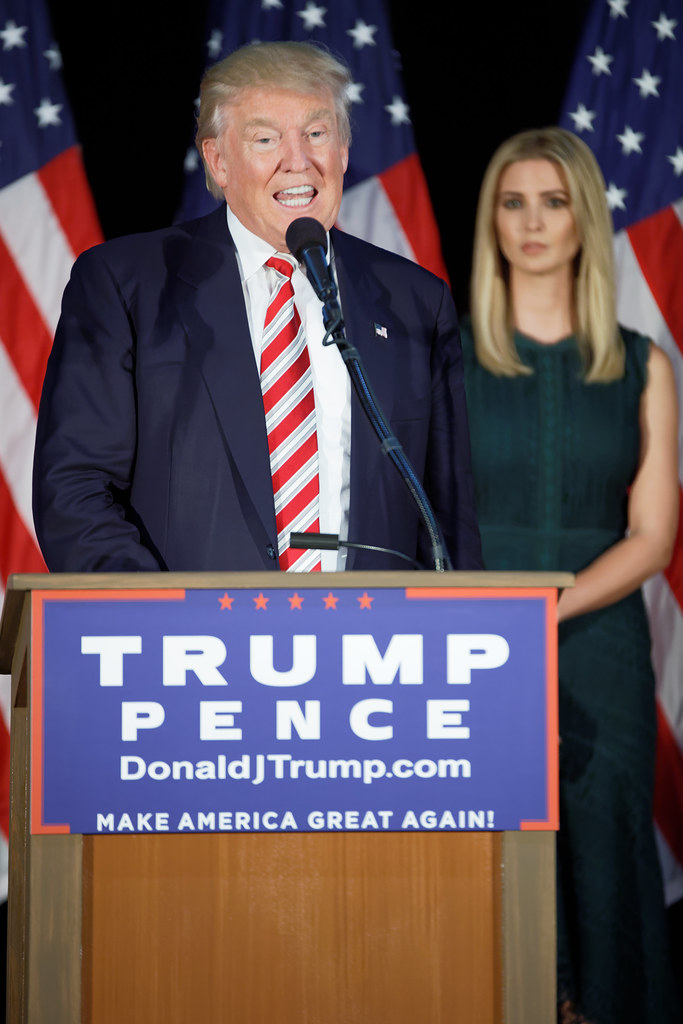
U.S. President Donald Trump announced that Russia will supply diesel fuel to global markets following a conversation with Russian leader Vladimir Putin. The claim was made during a recent public statement, with Trump asserting that the agreement would help stabilize energy prices and support international trade. The announcement comes amid ongoing tensions in the Russia-Ukraine conflict and growing concerns over energy security in Europe.
According to multiple reports, the deal involves the export of Russian diesel to both the United States and global markets. The agreement is framed by Trump as a strategic move to bolster economic stability and reduce dependency on other energy sources. However, Ukrainian President Volodymyr Zelenskyy criticized the decision, calling it a “weak decision” that could further complicate the already volatile situation in Eastern Europe.
The move has raised questions about the implications for international energy markets and the potential impact on sanctions against Russia. While the details of the agreement remain unclear, the announcement has sparked debate among analysts and political figures. Some argue that the deal could undermine efforts to reduce Russian influence in global energy supply chains, while others suggest it may provide temporary relief to countries facing fuel shortages.
The decision follows a period of increased Russian military activity in Ukraine and a broader geopolitical shift in energy policy. European Union officials have expressed concern over the potential consequences of such a deal, particularly as the bloc continues to provide military and financial support to Ukraine. The situation highlights the complex interplay between energy security, international relations, and economic policy in the current global landscape.