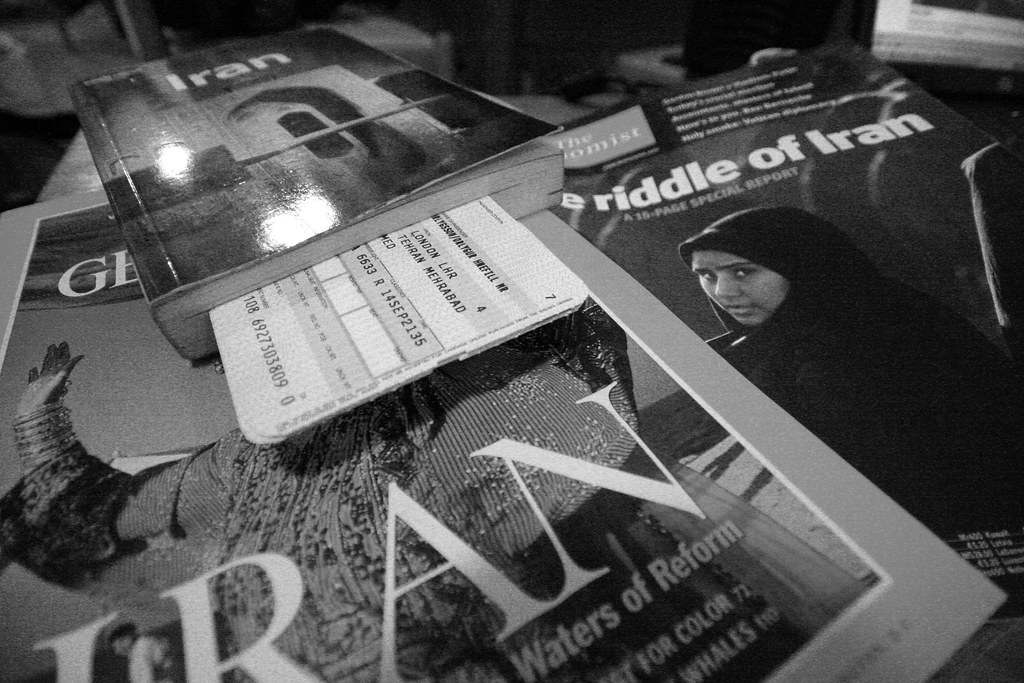
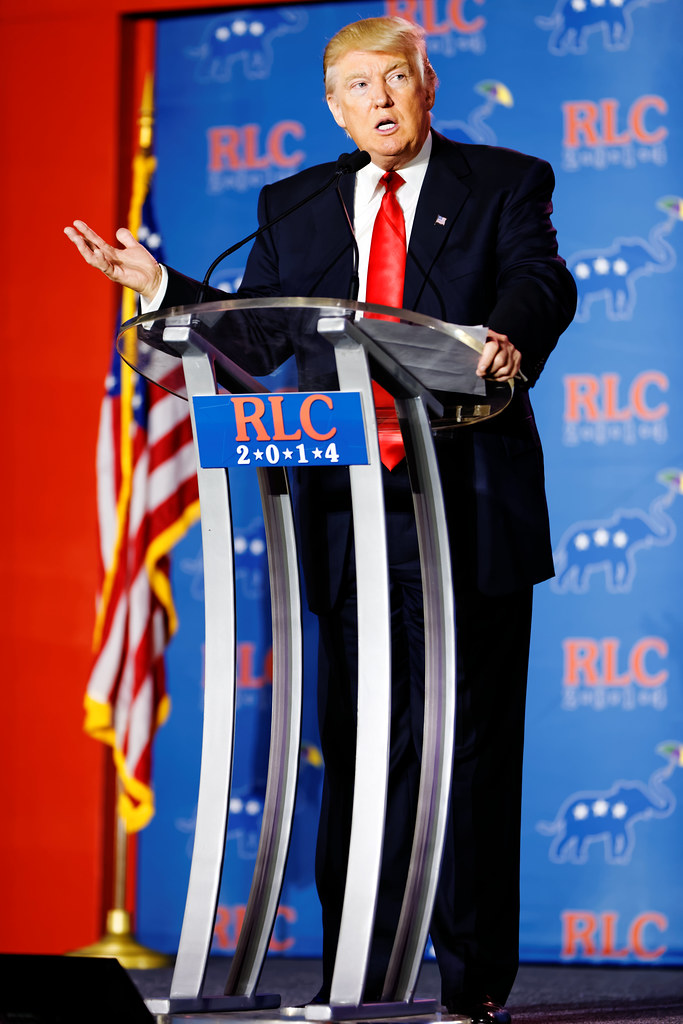
Trump has signaled he is nearing a decision on Iran, following recent military actions and regional tensions. The US president claimed Tehran has largely abandoned its nuclear weapons program, according to statements released by his administration. This comes after the US and Israel launched strikes in Yemen, displacing civilians and escalating regional conflict.
Trump dismissed congressional efforts to limit his military authority, asserting that presidential power is not subject to legal constraints. His administration has faced numerous legal challenges, with Trump increasingly using “national security” as a justification for executive actions. Critics argue his approach undermines democratic checks and balances.
The situation follows Iran’s recent wartime billboards mocking Trump and celebrating military victories. These displays highlight the growing hostility between the two nations. Meanwhile, the ongoing conflict in Yemen has displaced thousands, drawing international concern. Trump’s decision on Iran could further intensify regional instability.
The administration’s stance reflects a broader pattern of expanding executive authority, with Trump frequently invoking national security to justify controversial policies. This approach has sparked debate over the balance of power within the US government. As tensions rise, the outcome of Trump’s decision on Iran remains a key point of focus for global observers.