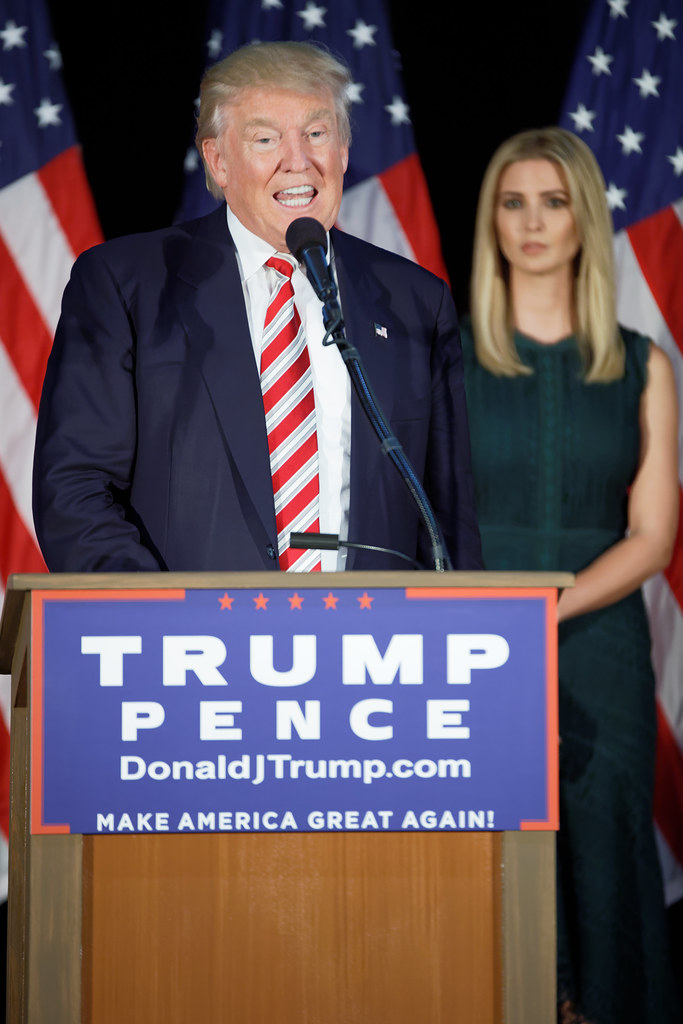
President Donald Trump announced a deal with Russian President Vladimir Putin to obtain diesel fuel from Russia, a move that has drawn sharp criticism from Ukraine and Democratic leaders. The agreement, which Trump claims will help stabilize global fuel prices, comes weeks after he signed sweeping sanctions legislation targeting Moscow over its war in Ukraine. Ukrainian President Volodymyr Zelenskyy condemned the decision as an "obvious weakness," warning it could prolong Russia's military campaign. Zelenskyy argued the deal would benefit Moscow by enabling it to continue its war efforts, with Russia expected to repay the U.S. With "fur" — a term used in the original reports to describe potential future consequences.
The U.S. President claimed he spoke directly with Putin and that Russia would send hundreds of thousands of barrels of diesel to the U.S. Aiming to lower fuel prices. This decision marks a reversal of years of U.S. Pressure on Moscow over its actions in Ukraine. Democratic lawmakers accused Trump of betraying Ukraine and European allies, arguing the deal undermines national security and U.S. Credibility. The move has also raised concerns among allies, with the UK expressing its intention to "maintain pressure on Russia" despite the U.S. Decision.
This development follows a broader strategy by Trump to address rising fuel costs ahead of upcoming midterm elections. Analysts suggest the deal reflects growing pressure to curb fuel prices, even as it risks complicating U.S.-Russia relations. The situation underscores the complex geopolitical tensions surrounding energy policy and its impact on international conflicts.