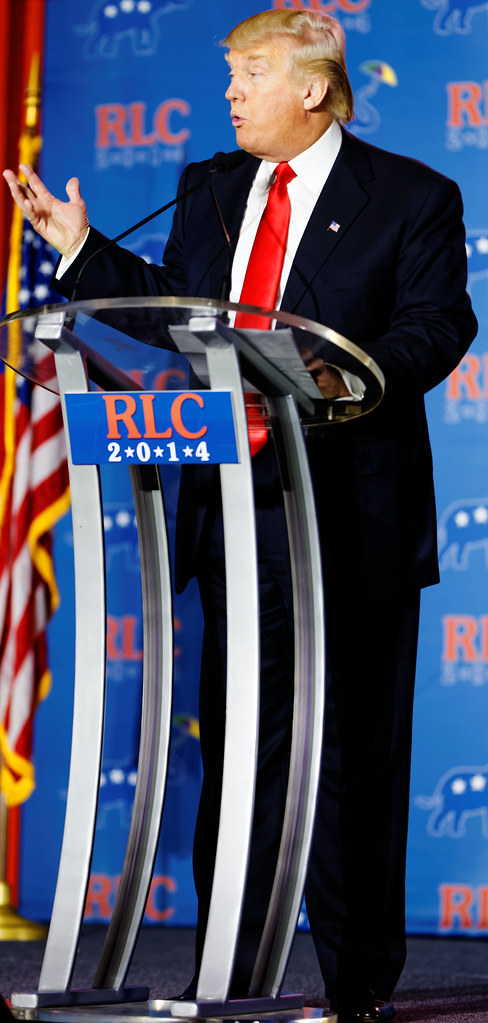
U.S. President Donald Trump has reportedly facilitated a deal to purchase Russian diesel, according to recent reports. The transaction is part of broader efforts to secure energy supplies for the United States, with officials citing the need for strategic fuel reserves. The deal, however, has drawn criticism from Ukrainian officials who argue that it undermines their energy security.
Ukrainian President Volodymyr Zelensky has accused Russia of violating an energy ceasefire agreement, which was meant to limit attacks on energy infrastructure. The U.S. Energy Information Administration data indicates that the amount of diesel involved in the deal is less than a day's supply for the U.S. Transport sector alone. This has raised concerns about the potential impact on both domestic and international energy markets.
The situation reflects a complex geopolitical landscape where energy resources are increasingly tied to diplomatic and military strategies. Trump's administration has been under pressure to balance economic interests with the ongoing conflict in Ukraine. The purchase of Russian diesel has been framed by some analysts as a strategic move to strengthen U.S. Energy independence, while others warn of the risks associated with engaging with Russia's war economy.
The deal highlights the growing influence of energy politics in international relations, with implications for both regional stability and global trade. As tensions continue, the role of energy in shaping diplomatic outcomes remains a critical factor in the evolving narrative of the conflict.