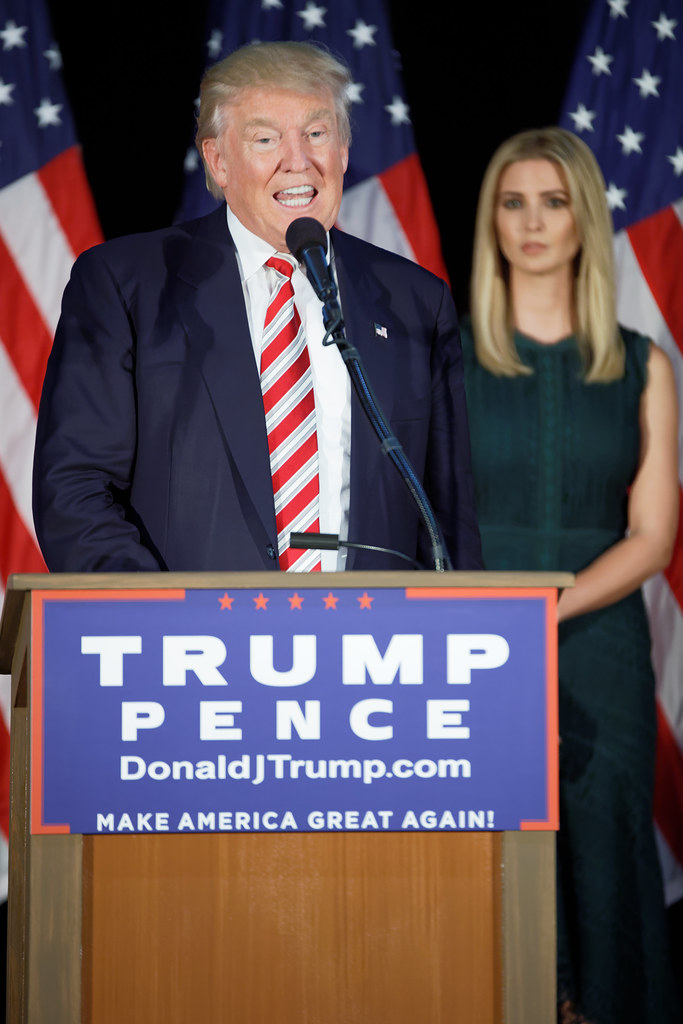
U.S. President Donald Trump announced during a recent conversation that Russia will supply diesel fuel to global markets, a claim echoed by multiple media outlets. The statement, made in the context of ongoing geopolitical tensions, suggests a potential shift in energy dynamics. However, Australia has explicitly rejected the proposal, with its climate change and energy minister, Chris Bowen, stating that the country will not purchase Russian fuel.
Australia’s decision comes amid heightened scrutiny over the impact of Russian energy exports. Bowen emphasized that the nation does not want to benefit from the invasion of Ukraine, maintaining a firm stance against Russian oil and gas imports. The government has already barred purchases from Russia, a policy that remains unchanged despite Trump’s announcement.
The U.S. President’s remarks have drawn criticism from Ukrainian President Volodymyr Zelensky, who called the move “unworthy.” Zelensky’s response highlights the broader implications of the deal, particularly for Ukraine’s energy security and economic stability. The announcement also raises questions about the effectiveness of international sanctions and the potential for increased Russian influence in global energy markets.
The situation reflects a complex interplay of political alliances and economic interests. While Trump’s administration seeks to bolster energy supply chains, other nations like Australia are prioritizing geopolitical stability and humanitarian concerns. The ongoing conflict in Ukraine continues to shape international relations, with energy policy becoming a key battleground. As the situation evolves, the impact of such decisions on global markets and international diplomacy will remain under close watch.