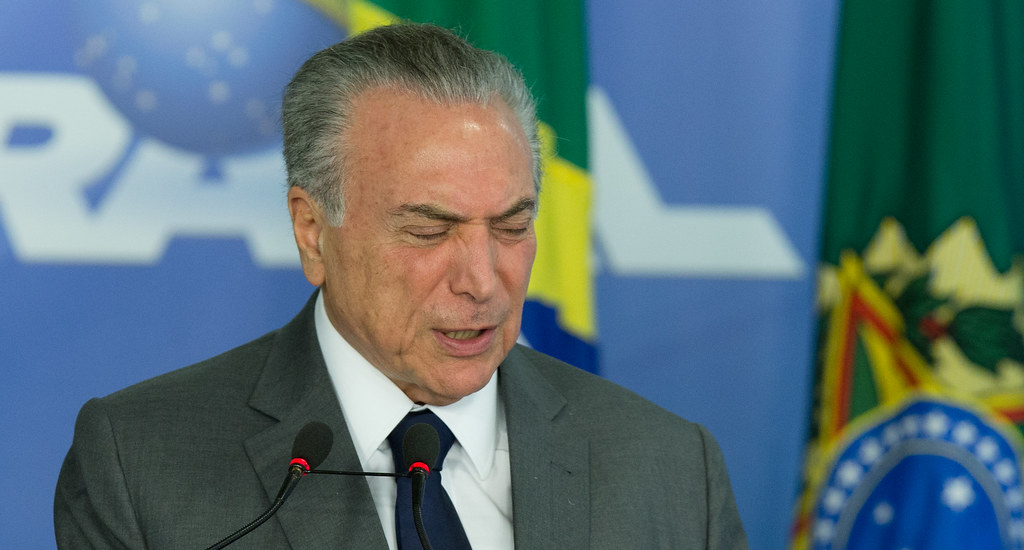
Lula da Silva, Brazil’s president, was re-elected with 51.8% of the vote in a runoff against right-wing candidate Flavio Bolsonaro. The election, held on October 2, saw Lula secure an unprecedented fourth term, despite Bolsonaro’s refusal to concede. The result was confirmed by Brazil’s electoral court after 100% of votes were counted.
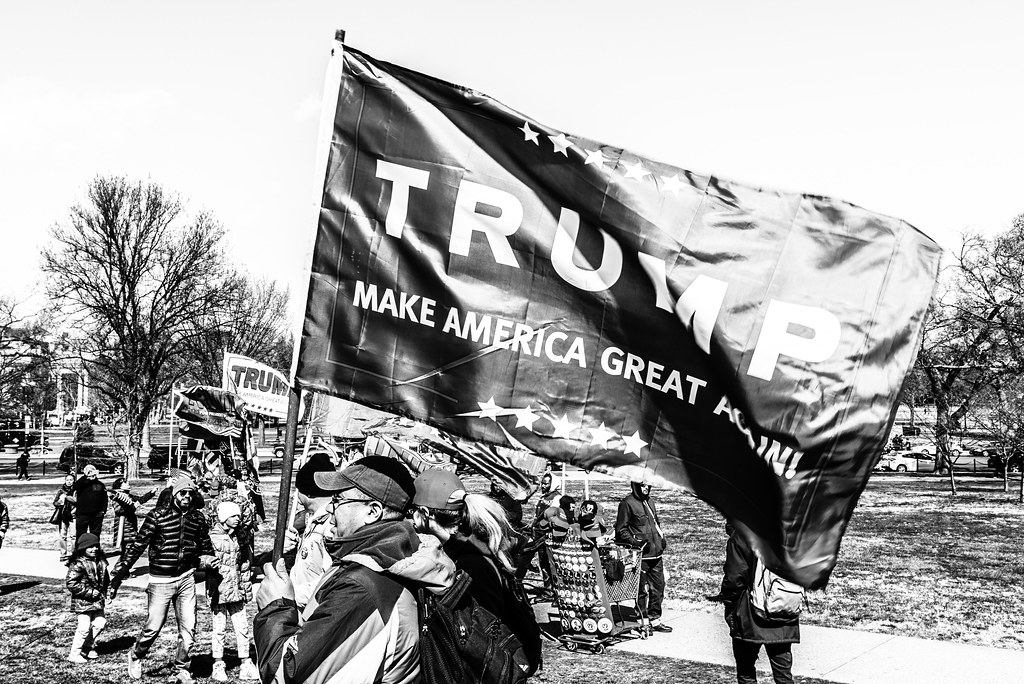
Lula’s victory has drawn attention from global leaders. Nigerian President Bola Tinubu congratulated Lula, expressing Nigeria’s desire to strengthen bilateral ties. The two nations have shared diplomatic and economic cooperation since 1961. Meanwhile, U.S. President Donald Trump claimed the Brazilian election was “rigged,” offering a $1 million reward for evidence of voter fraud. Trump also criticized the election process, calling it “corrupt” and “terrible.”
China has also shown interest in Lula’s re-election. Analysts note that Lula’s win reinforces Beijing’s influence in Latin America and positions Brazil to leverage its rare earth reserves in the U.S.-China rivalry. Lula, 80 years old, has long been a vocal critic of U.S. Policies in the region.
The outcome marks a shift in Latin American politics. Lula’s victory counters a regional trend toward the right, ending a streak of conservative wins. His re-election also complicates U.S. Efforts to align with right-wing leaders in the region.
Lula now faces challenges in Brazil, including a Congress that has shown resistance to his policies. His administration will need to navigate domestic and international pressures as it begins its new term.