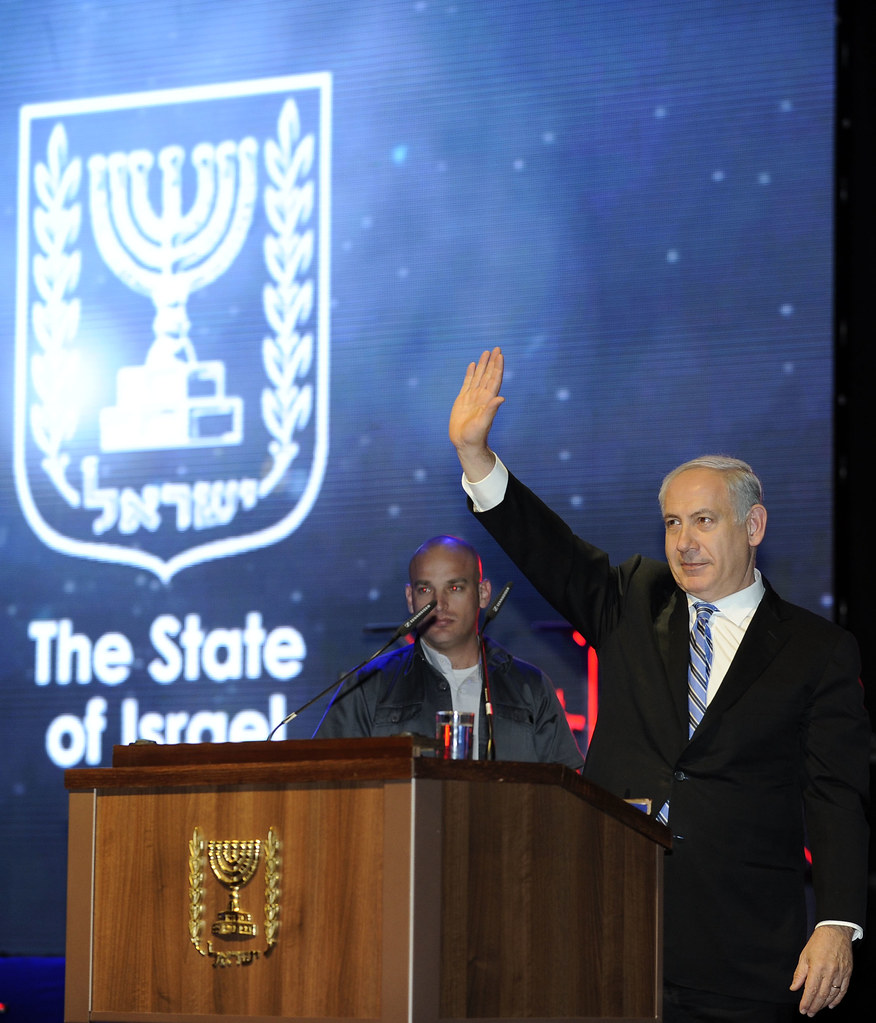
The Israeli election has concluded with no outright winner, as preliminary counts indicate Benjamin Netanyahu's coalition holds a slight edge over the main opposition bloc. The vote, held on Wednesday, saw Palestinian citizens of Israel participate in the process for the first time in decades, with many viewing it as an opportunity to assert their political influence.
The preliminary results, released by the Israeli Central Elections Committee, show that Netanyahu's right-wing coalition has secured a narrow lead. However, the final outcome remains uncertain as votes from several constituencies are still being counted. The opposition, led by the centrist Yesh Atid party, has called for a recount, citing discrepancies in the early returns.
This election marks a significant moment in Israeli politics, as it is the first time Palestinian citizens have been able to vote in national elections since the 1992 poll. The participation rate among this community was notably high, reflecting a growing sense of political empowerment. Analysts suggest the outcome could reshape the country's political landscape, with implications for governance and policy direction.
The election follows months of political turmoil, including the collapse of several governing coalitions and public discontent over economic and social issues. With no single party securing a parliamentary majority, the next phase will likely involve complex negotiations to form a new government. The results will be finalized in the coming days, with the potential for a hung parliament.