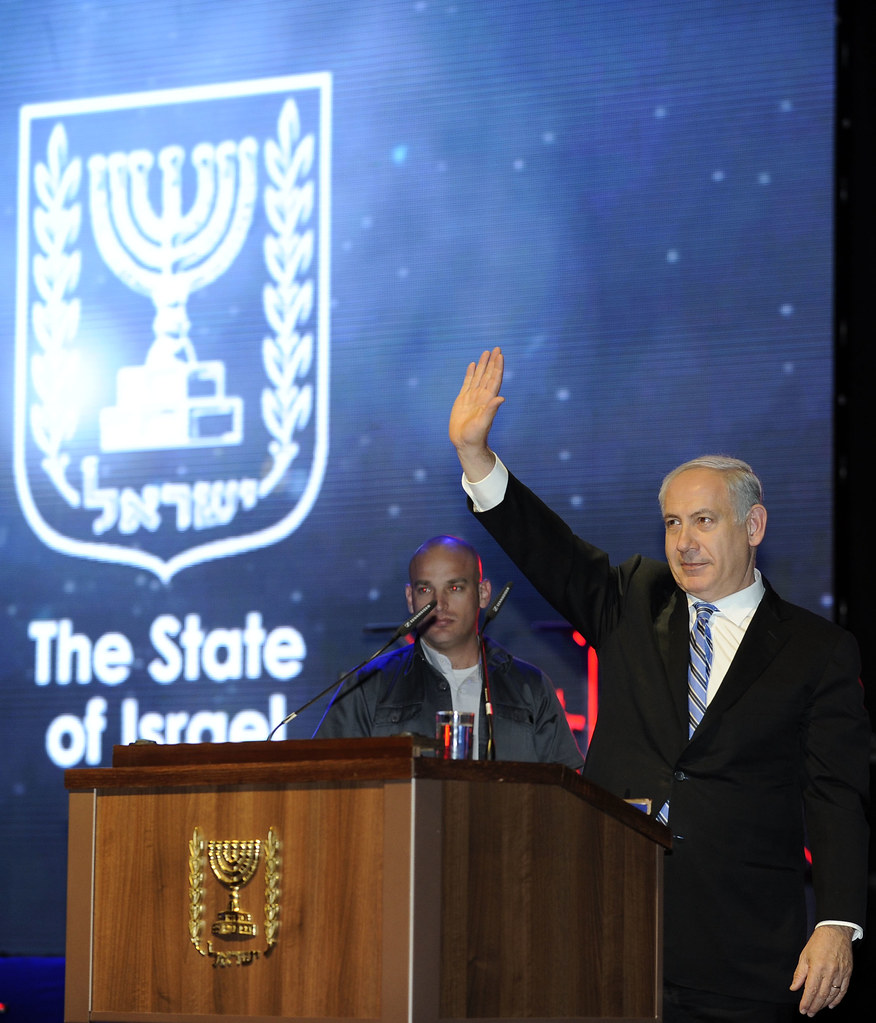
The Israeli election concluded on Wednesday night with millions of voters casting their ballots in what is being called the most consequential vote in the country's history. The election, held under a new proportional representation system, aims to determine the composition of the Knesset, Israel's parliament, and set the stage for the formation of a new government.
Prime Minister Benjamin Netanyahu's Likud party and opposition leader Yair Lapid's Yamina party both urged supporters to vote immediately, emphasizing the importance of the election in shaping the political narrative. According to preliminary exit polls, neither party secured an outright majority, meaning a coalition government will likely be necessary. The results will determine whether Netanyahu, who has led the country for over a decade, will remain in power or if a new leadership will emerge.
This election follows months of political turmoil, including the collapse of several governing coalitions and public discontent over economic challenges and security concerns. The new system, which replaces the previous electoral law, was introduced to encourage more stable governance and reduce the frequency of elections. However, the outcome remains uncertain, with multiple parties vying for influence and the potential for prolonged negotiations to form a government.
The election has also sparked significant public engagement, with high voter turnout expected and widespread media coverage. The results will not only define the political landscape of Israel but also influence its foreign policy and domestic priorities in the coming years.