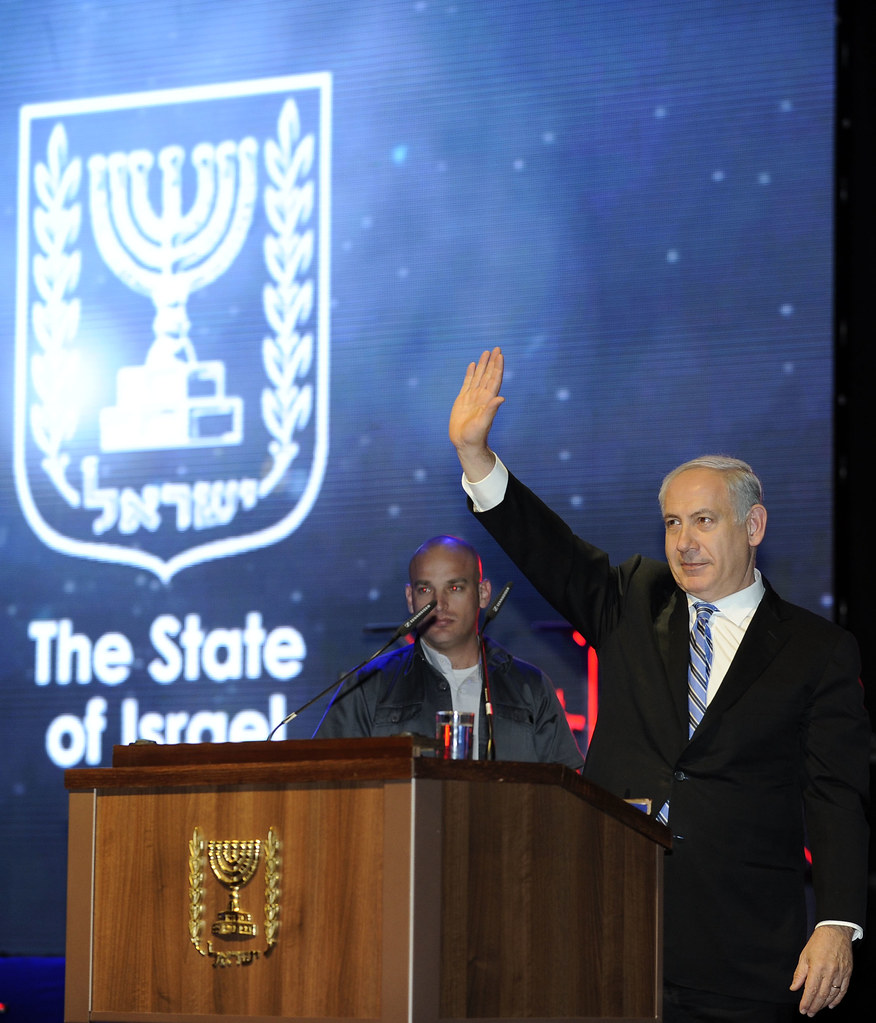
Israeli voters cast their ballots in a closely contested election that has seen the country hold six elections in seven years. Preliminary results indicate no single party or coalition has secured a clear majority, with Benjamin Netanyahu's bloc slightly ahead of the main opposition. The outcome underscores the deep political fragmentation that has characterized Israeli politics in recent years.
The election, held amid ongoing tensions in the region, saw a high voter turnout, reflecting public concern over national security and governance. Netanyahu's coalition, which includes right-wing and centrist parties, holds a narrow lead over the opposition, which is composed of left-wing and centrist factions. However, neither side has reached the 61 seats needed to form a government without external support.
This election marks the sixth in less than a decade, highlighting the instability of Israel's political system. The repeated elections have led to frequent government changes and a lack of consistent policy direction. Analysts suggest that the current political stalemate reflects deep societal divisions and a lack of consensus on key issues such as security, the Israeli-Palestinian conflict, and economic reform. The next steps will likely involve coalition-building efforts and potential negotiations with smaller parties to secure a governing majority.