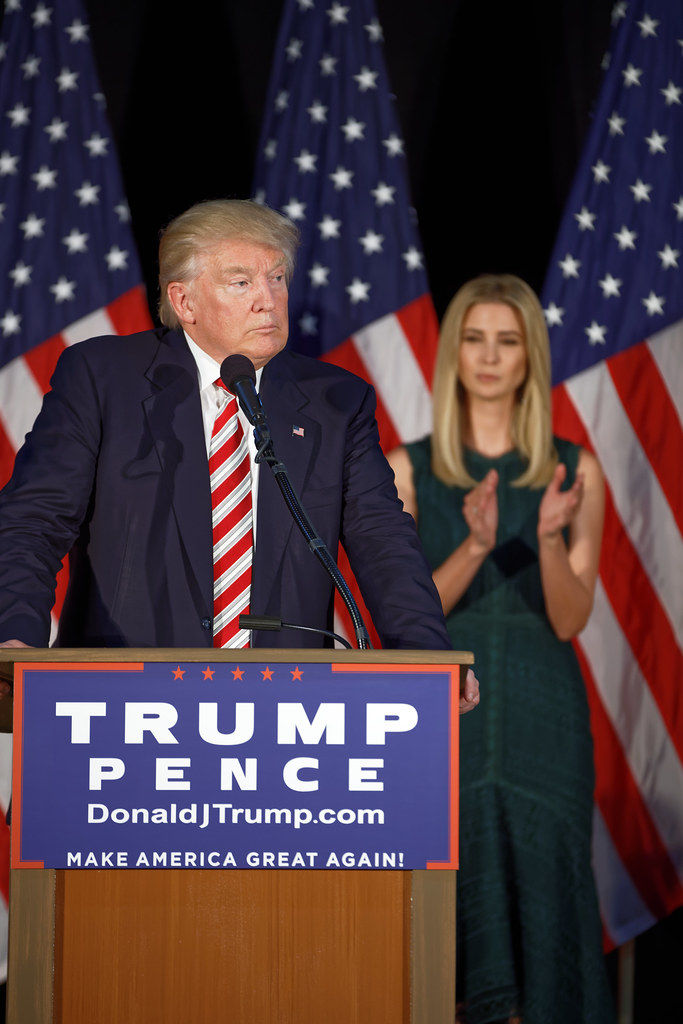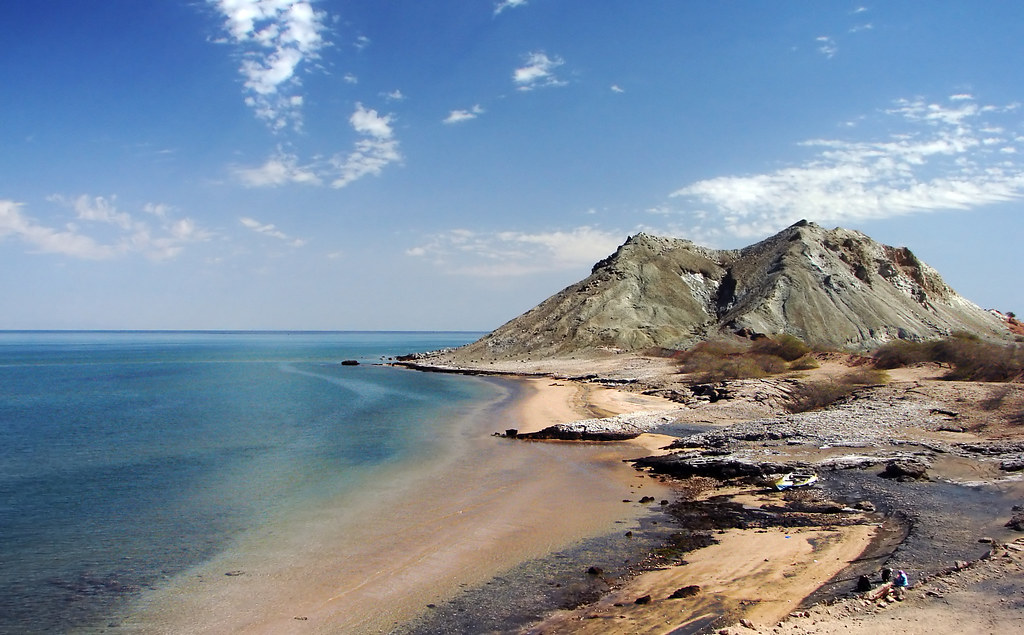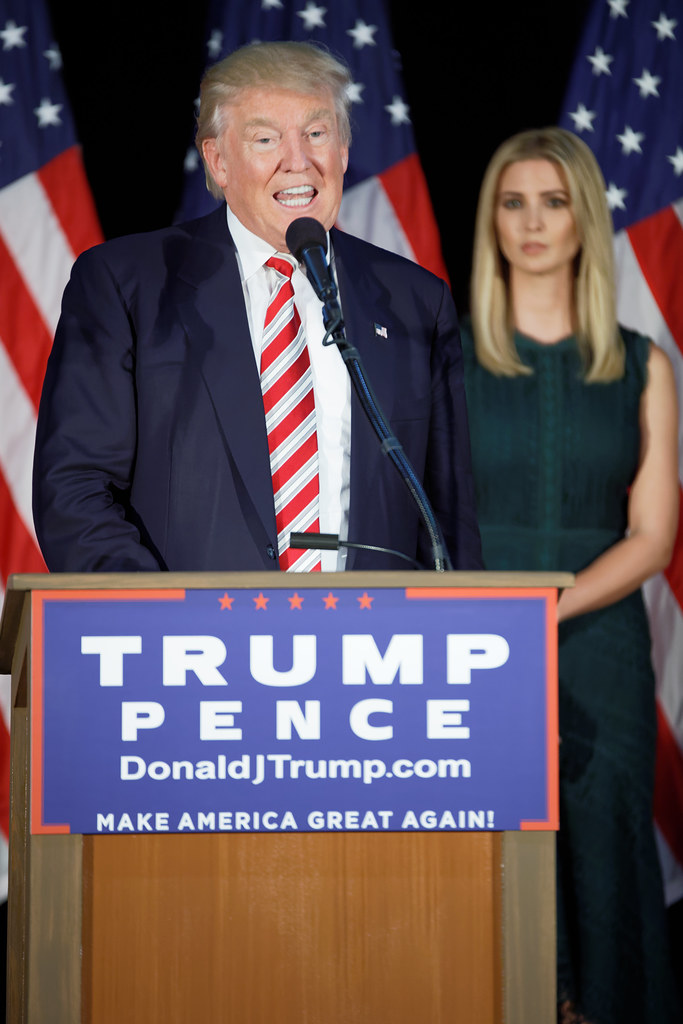
Tensions in the Middle East have escalated as Iran announced its control over the strategic Strait of Hormuz, following a pause in military strikes. The claim comes amid ongoing diplomatic efforts between the U.S. And Iran, which have been marked by conflicting messages. President Donald Trump warned of a return to "strong military action" if talks fail to resolve the crisis, according to Axios. Meanwhile, Iran’s state media reported that Tehran had repelled six ships attempting to pass through the strait without clearance, reinforcing its territorial claims.
The situation has been further complicated by drone attacks targeting Iran’s neighbors. Saudi Arabia, Jordan, and Iraq reported drone strikes, with Saudi officials stating they shot down drones aimed at petroleum facilities. These attacks occurred just two days after the U.S. Suspended its air strikes against Iran, testing the effectiveness of Trump’s strategic pause (peopledaily.Digital). The attacks have drawn strong reactions from Tehran, with its foreign minister vowing a response.
Amid these developments, the U.S. And Iran continue to navigate a delicate balance between diplomacy and military posturing. The control of the Strait of Hormuz remains a critical point of contention, with implications for global oil supplies and regional stability. As talks continue, the risk of further escalation remains high.