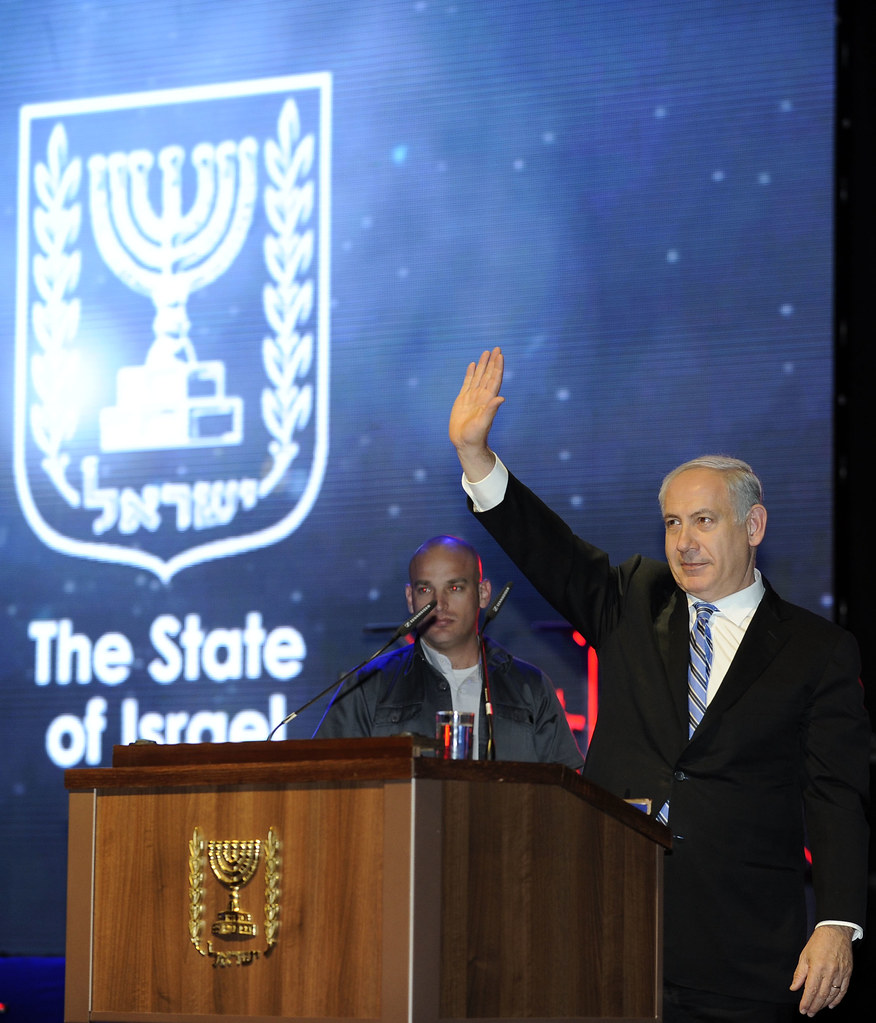
Israeli Prime Minister Benjamin Netanyahu's political coalition appears poised to maintain power following the country's recent election, according to new projections. Exit polls suggest his bloc could secure 56 seats in the Knesset, despite initial indications of a close race. The results have sparked renewed discussions about the formation of a government, with no single party expected to achieve an outright majority.
The election, held amid heightened political tensions and public dissatisfaction with the current government, saw voters deliver a mixed response to Netanyahu's leadership. While his coalition remains a strong contender, the lack of a clear winner has led to uncertainty about the future political landscape. Analysts note that the outcome could lead to prolonged coalition negotiations, as multiple parties seek to form a stable government.
This election marks the third time Netanyahu has led his party to victory, though his ability to form a government will depend on his capacity to build a broad coalition. The results reflect a divided electorate, with public opinion split between support for his right-wing policies and growing calls for reform. The political uncertainty has intensified as the nation awaits the final tally and the next steps in governance.