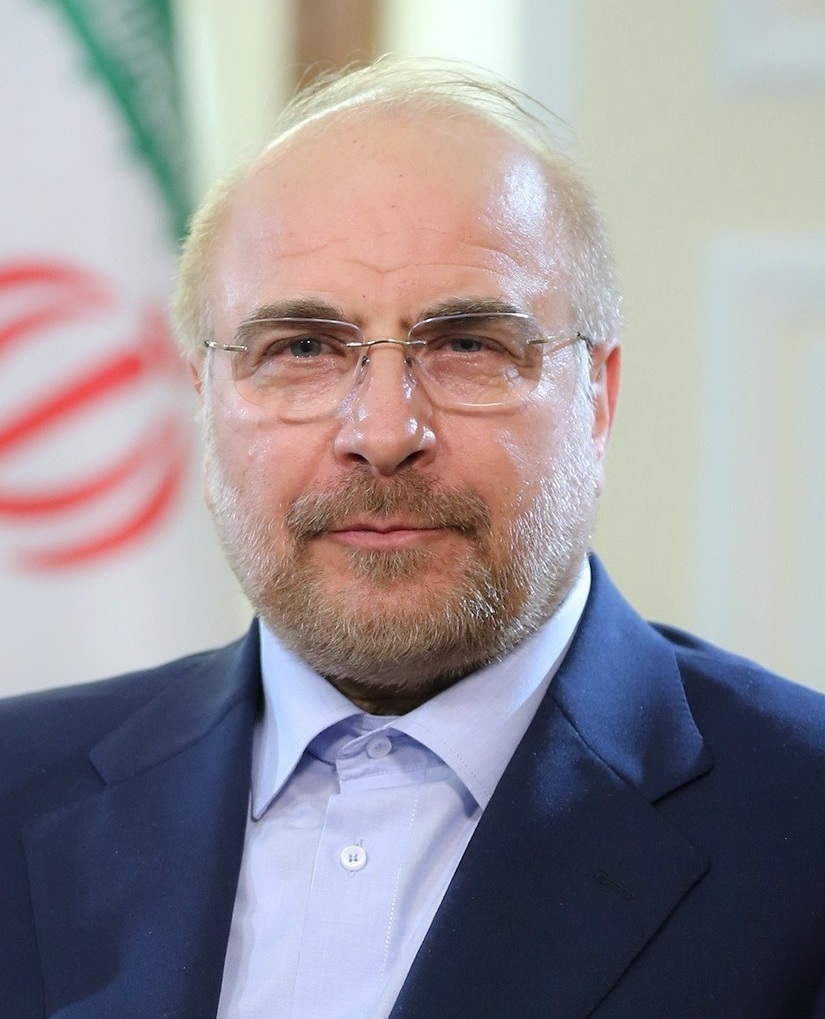
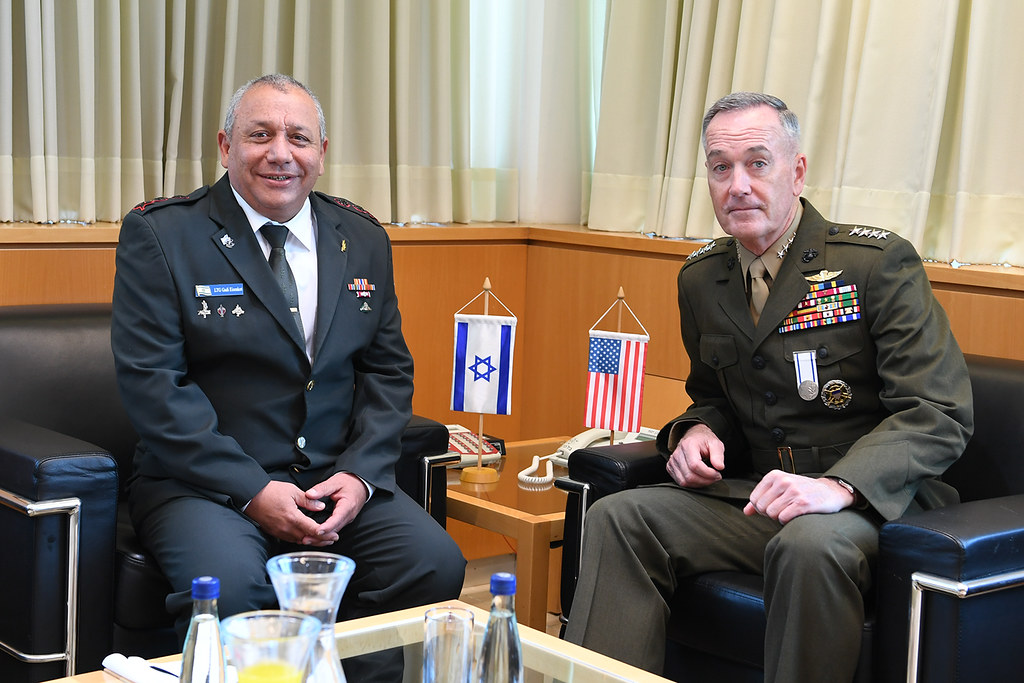
Israel has ordered its military to increase readiness for a potential attack on Iran, as Tehran threatens to respond with force if targeted. The warning comes amid heightened regional tensions, with Iran's foreign minister, Ghalibaf, stating that a lack of trust hinders progress in negotiations with the United States.
The situation has escalated following recent military posturing. Israeli officials have instructed their armed forces to prepare for possible strikes against Iranian targets, citing security concerns. In response, Iran has vowed to retaliate if attacked, signaling a potential shift toward direct confrontation. This follows a series of diplomatic and military moves that have strained relations between the two nations.
The conflict has broader economic implications, particularly for Iran. The country faces growing financial pressure as sanctions and maritime blockades restrict its access to global markets. Oil exports, a key source of revenue, have been significantly impacted, raising concerns about the sustainability of Iran's economy. Analysts warn that the ongoing tensions could further destabilize the region, with potential consequences for global energy markets.
The current crisis follows a pattern of escalating hostilities in the Middle East. Recent attacks on Iranian interests have triggered a cycle of retaliation, with both sides accusing each other of aggression. The situation remains volatile, with no immediate signs of de-escalation. The international community continues to monitor developments closely, as the risk of wider conflict grows.