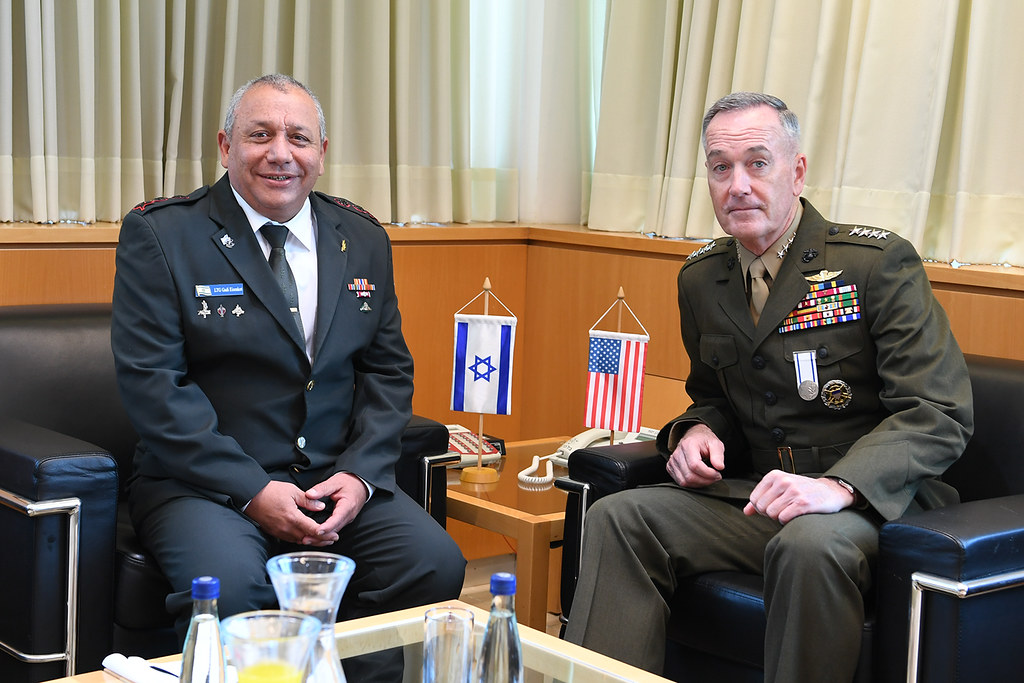
The United States and Israel have intensified military preparations in response to growing tensions with Iran, as Tehran warned it would retaliate if attacked. A senior Democratic representative criticized President Trump’s son-in-law, Jared Kushner, for alleged conflicts of interest, highlighting political divisions within the US. Meanwhile, Iran has threatened military retaliation, escalating fears of regional conflict.
Military analysts report that Israel has ordered its armed forces to increase readiness for potential strikes against Iranian targets. This follows recent intelligence assessments suggesting Iran may be planning retaliatory actions. Iranian officials have publicly stated that any attack on their territory would trigger a proportional response.
The situation has deepened economic pressures on Iran, which faces ongoing sanctions and trade restrictions. Reports indicate that Iran’s oil revenue, a key source of income, is at risk of depletion due to international pressure. This economic strain has raised concerns about Iran’s ability to sustain its military and domestic programs.
The current crisis follows a series of attacks on Iranian interests in the Gulf region, with estimates suggesting the war has already caused over $200 billion in damage and could lead to losses exceeding $790 billion by 2030. The conflict has intensified diplomatic and military tensions, with both sides preparing for potential escalation.
The situation remains volatile, with no immediate signs of de-escalation. As military and economic pressures mount, the risk of further conflict continues to grow.