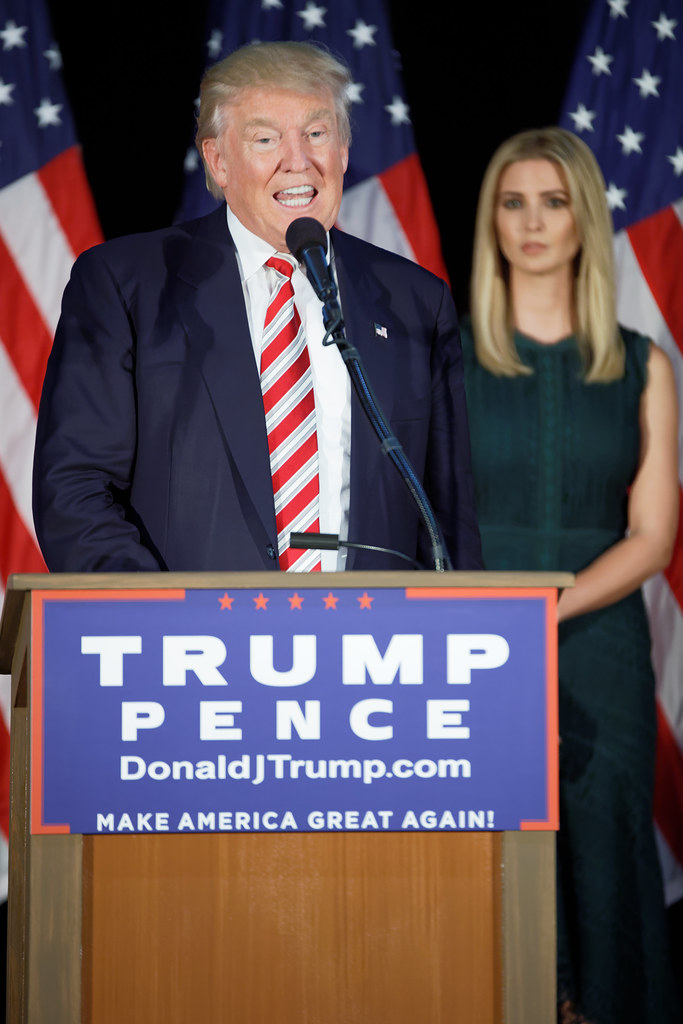
Local economies affected by Trump's immigration raids continue to face long-term financial challenges, according to recent studies. Cities that experienced large-scale immigration enforcement actions have reported ongoing difficulties in recovering lost jobs, profits, and tax revenue. The impact has been particularly severe in areas with high immigrant populations, where businesses reliant on immigrant labor have seen a decline in activity.
Data from local government reports indicate that some communities have experienced a drop in tax collections by up to 15% in the years following the raids. Small businesses, especially those in retail and hospitality, have been hit hardest, with many reporting reduced customer traffic and increased operational costs. The loss of immigrant workers has also led to a shortage of labor in key sectors, further hampering economic growth.
The raids, which targeted undocumented immigrants, were part of a broader policy aimed at reducing illegal immigration under the Trump administration. However, the economic fallout has been significant, with some experts warning that the effects could take years to fully recover. The situation highlights the complex relationship between immigration policy and local economic stability, raising concerns about the long-term consequences of such enforcement measures.