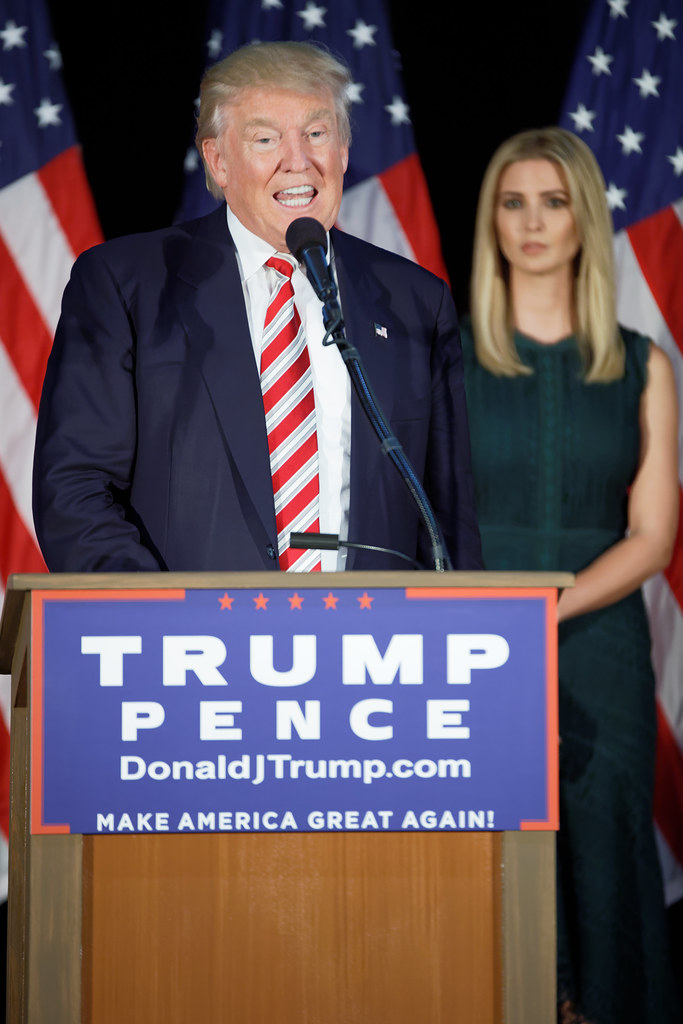
President Donald Trump announced a deal with Russian President Vladimir Putin to supply diesel fuel to the United States and global markets, marking a significant shift in US-Russia relations. The agreement, announced during a press conference, claims Russia will send hundreds of thousands of barrels of diesel to the US, aiming to lower fuel prices. This move comes weeks after Trump signed sweeping sanctions against Russia over its invasion of Ukraine.
The announcement was met with immediate backlash from Ukrainian President Volodymyr Zelensky, who called the decision “an obvious weakness” and warned it could prolong Russia’s war. Zelensky argued that the deal would allow Moscow to continue its military campaign by enabling it to fund its operations. Democratic lawmakers also condemned the move, accusing Trump of betraying Ukraine and European allies.
Australia, which has imposed a ban on Russian fuel imports, reiterated its stance that it will not purchase Russian fuel, stating that such purchases would benefit Russia’s war efforts. The country’s climate change and energy minister, Chris Bowen, emphasized that Australia does not need or want Russian fuel.
The deal appears to contradict years of US pressure on Russia over its actions in Ukraine. Trump’s administration had previously imposed sanctions on Moscow, and this agreement represents a reversal of that policy. The move has raised concerns among international allies and experts, who warn of potential geopolitical consequences.
This development highlights the growing influence of Trump’s foreign policy decisions, which have increasingly prioritized economic interests over traditional alliances. The impact of the diesel deal on global markets and international relations remains to be seen.