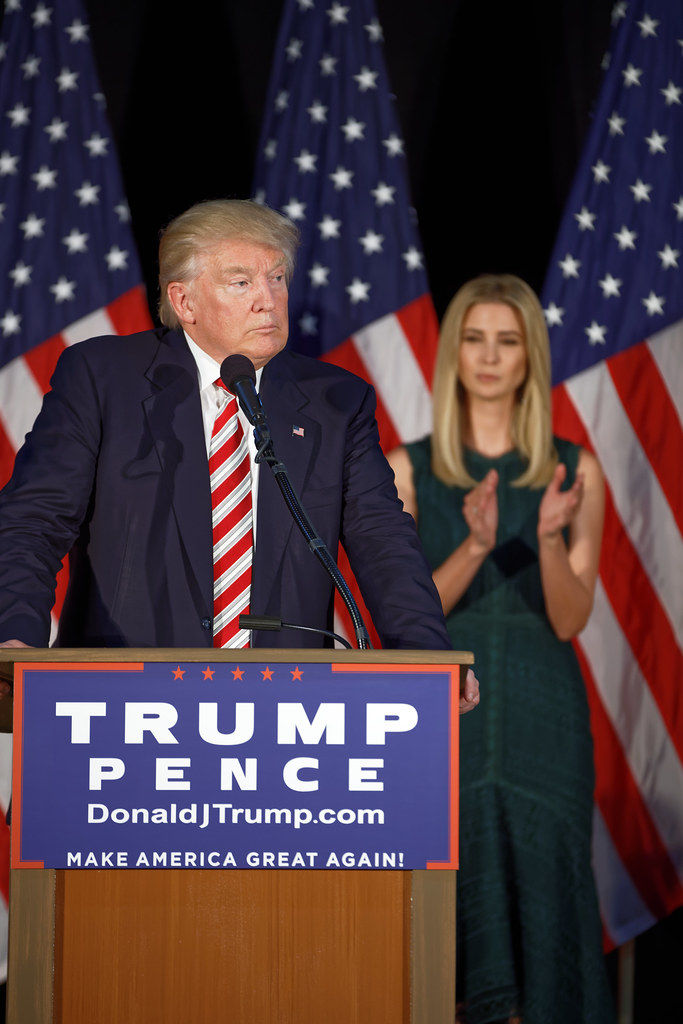
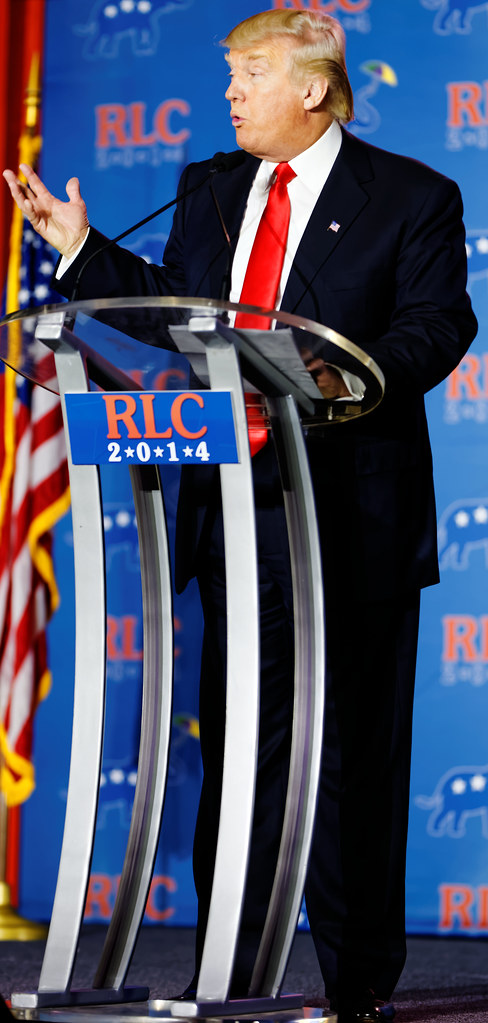
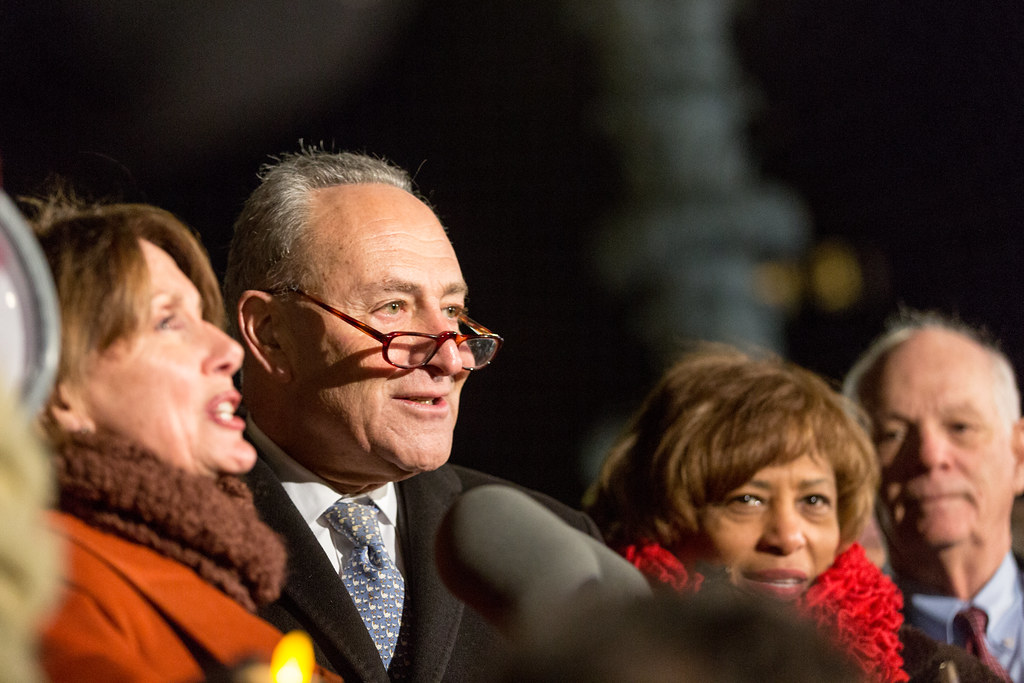
Democrats have secured control of both the House of Representatives and the Senate in the midterm elections, marking a significant political shift in the United States. This outcome has left President Donald Trump, who led the Republican Party, in a weakened position as he faces the challenge of redefining his political strategy. The election results have also triggered a series of reactions from Trump, who has publicly blamed the Democratic Party for a sharp decline in the US stock market.
Trump posted on his Truth Social platform, accusing the Democrats of causing the market crash following their electoral victories. The selloff in US equities occurred shortly after the midterms, with Trump suggesting that the Democratic gains had a direct impact on financial markets. This claim has drawn mixed reactions, with some analysts noting that market fluctuations are influenced by a variety of factors beyond political outcomes.
In addition to the market accusations, Trump's political influence appears to be diminishing. The Republican Party suffered a major defeat, with Democrats gaining control of both chambers of Congress. This shift has raised questions about the future of the MAGA movement, which Trump has long championed. Meanwhile, Senate Democrats have vowed to block any attempt by Trump to appoint a strongly conservative justice to the Supreme Court, potentially delaying such efforts until after the 2028 presidential election.
The midterm elections have also prompted internal debates within the Democratic Party. Some members have expressed concerns about their performance in key states, including Mississippi, where the Senate race remains too close to call. As Democrats prepare to take power, the focus will shift to how they will use their new majority to shape policy and address the challenges facing the country.