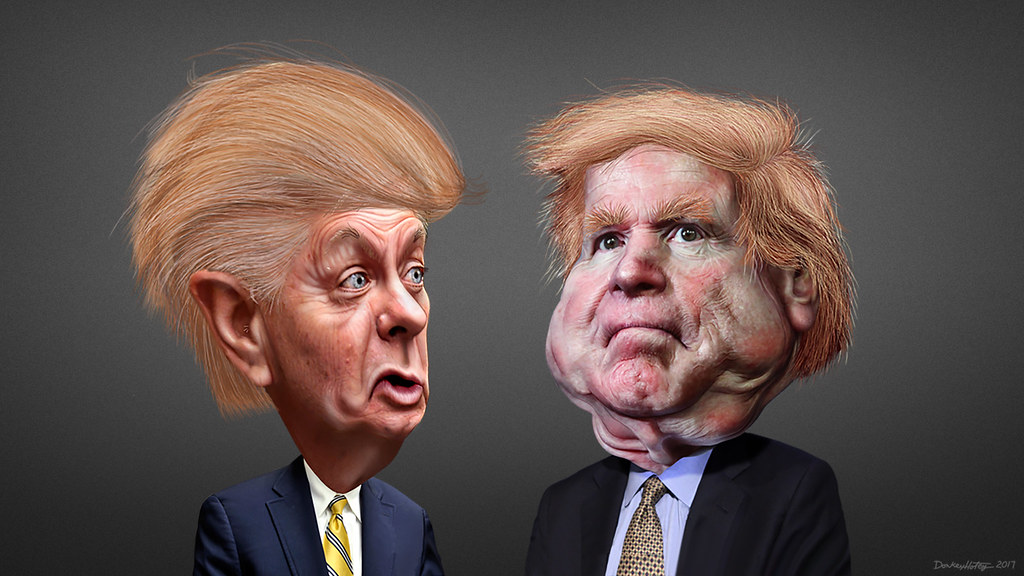
Democrats have secured a historic midterm election victory, sweeping control of both the House of Representatives and the Senate. This landslide result marks a significant shift in U.S. Political power, with Democrats gaining 40 seats in the House and 10 in the Senate, according to early results. The victory is seen as a major rebuke to President Donald Trump, who now faces a two-year political nightmare as his party loses dominance in Congress.
Incoming Senate Majority Leader Chuck Schumer has outlined an aggressive legislative strategy against Trump, calling him “corrupt” and a “wannabe king.” Schumer emphasized that the Democratic-led Senate will use “legislative razor wire” to stop Trump’s policies, signaling a strong pushback against the administration. In Michigan, Democrat Christina Hines won the 10th Congressional District, contributing to the Democrats’ overall control of both chambers.
The election results have also raised concerns about the future of U.S.-Canada trade relations. Political watchers in Atlantic Canada suggest that the Democrats’ sweeping victory may not immediately ease tensions over tariffs, as the trade war became a key issue in several border states. Meanwhile, the market reacted positively to the election outcome, with U.S. Stocks rising sharply. However, artificial intelligence stocks declined amid heightened expectations of regulatory changes under a Democratic administration.
The Democratic victory has broader implications beyond domestic politics. Analysts warn that Trump’s defeat could lead to increased unpredictability in international affairs, particularly in Europe. With Trump out of power, concerns about his influence on issues like Ukraine, Iran, and NATO have grown, as the U.S. Political landscape shifts under new leadership.