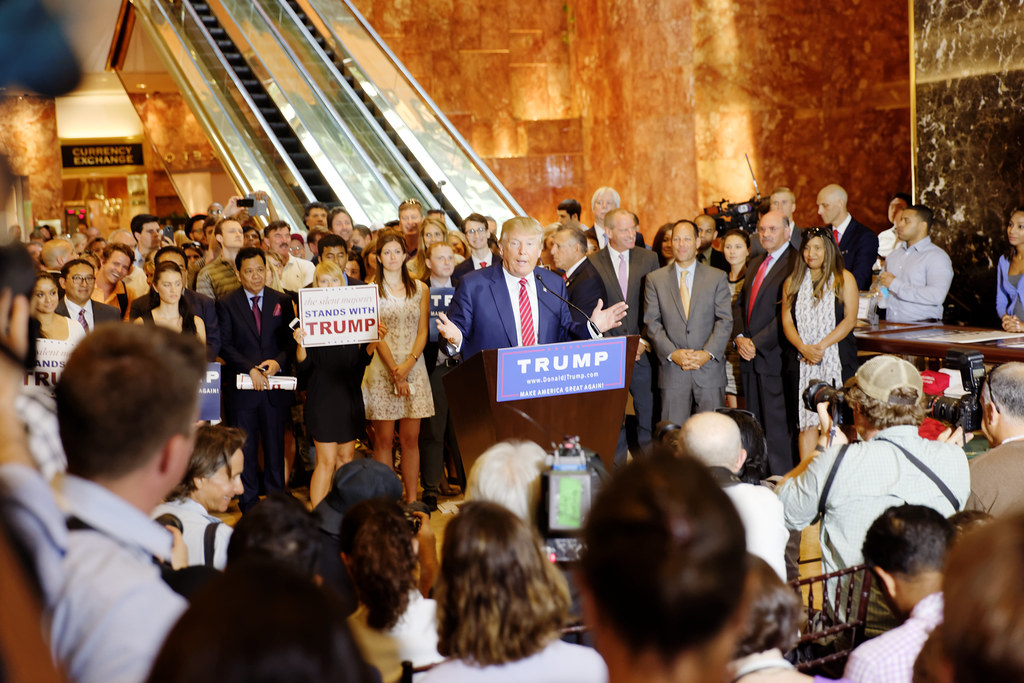
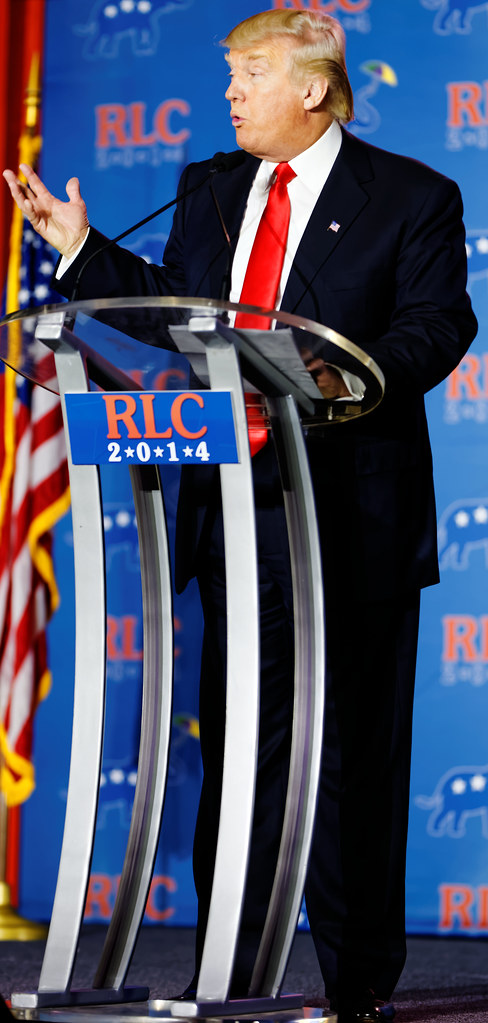
The US midterm elections concluded with Democrats securing control of both the House of Representatives and the Senate, marking a significant shift in the political landscape. This outcome represents a sweeping victory for the Democratic Party, which now holds the majority in both chambers of Congress. The results were seen as a clear rebuke to President Donald Trump, who had previously held a strong influence over legislative processes with Republican support.
The election results have triggered a reevaluation of power dynamics within the US government. With Democrats in control, the legislative branch is poised to reassert its authority, potentially challenging the executive branch's influence. Analysts note that this shift could lead to increased oversight of presidential actions and a recalibration of policy priorities. The Democratic sweep has also raised concerns about the potential for heightened regulatory scrutiny, particularly in areas such as artificial intelligence and economic policy.
This electoral outcome follows a pattern of growing public dissatisfaction with Trump's leadership, as evidenced by the strong voter turnout and the clear mandate for change. The Democrats' success in traditionally Republican-leaning districts underscores a broader realignment in political sentiment. The implications of this shift will likely be felt across various sectors, including economic regulation, social policy, and international relations. As the new Congress prepares to take office, the focus will shift toward implementing legislative agendas that reflect the will of the electorate.