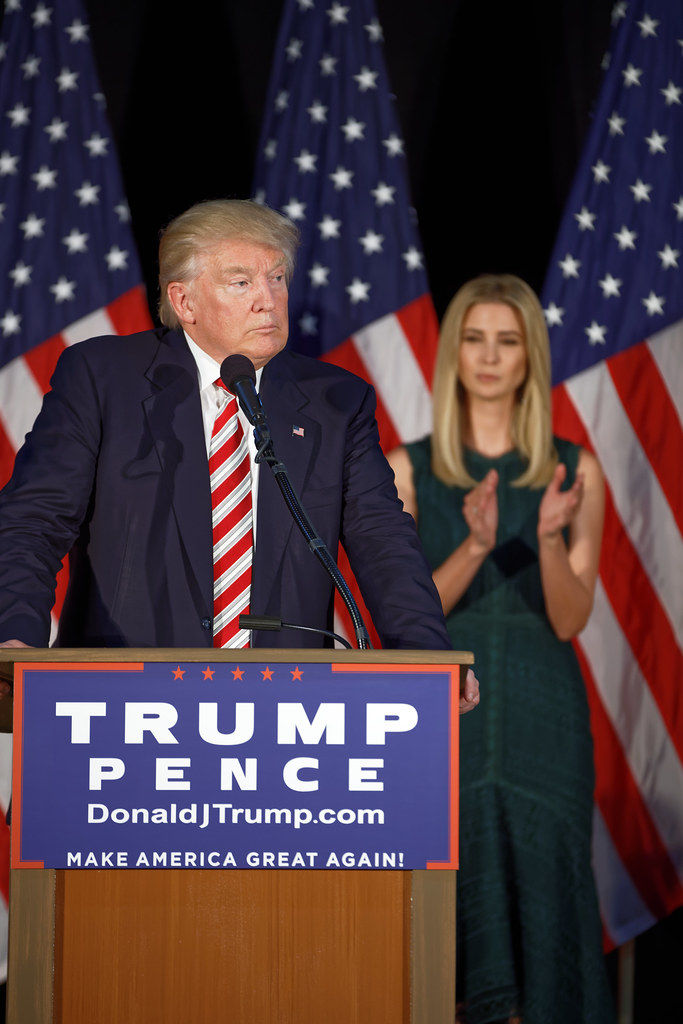
Democrats have secured control of both the House of Representatives and the Senate following the US midterm elections, marking a significant shift in the political landscape. The results reflect widespread public dissatisfaction with President Donald Trump's leadership, the ongoing Iran war, and rising living costs. With the new Congress set to convene in January, Democrats will hold the majority in both chambers, enabling them to shape legislative agendas more effectively.
The Democratic victories were driven by voter frustration with Trump's policies and the economic challenges facing the country. According to Reuters, 70 percent of voters wanted Congress to take a more active role in addressing these issues. The election results also indicate a growing desire for change, with many voters rejecting Trump's approach to foreign policy and domestic governance.
This shift in power comes amid heightened political tensions. Trump's allies have distanced themselves from the Iran war, which has been a key issue in the midterms. Meanwhile, the Democratic majority is expected to use its control of Congress to rein in Trump's influence, particularly on foreign policy and economic matters. Despite the Democratic gains, Trump retains the ability to block legislation through executive actions.
The election outcome has also raised questions about the future of US foreign policy. With Democrats now in charge, there is an expectation of a more measured approach to international relations, especially in dealing with China and Russia. The political realignment signals a new era in American politics, with the potential for significant legislative changes in the coming months.