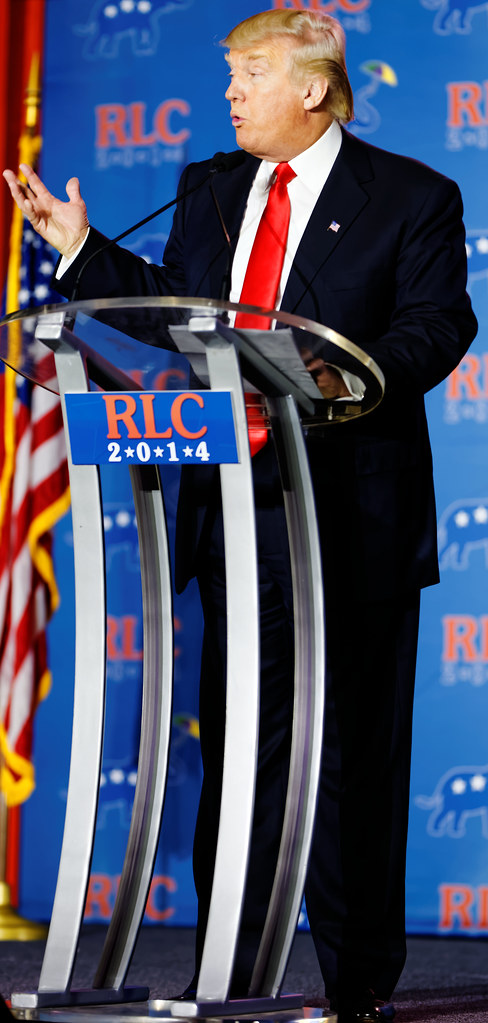
Democrats have secured a majority in both the U.S. House of Representatives and the Senate following the 2026 midterm elections, marking a significant shift in congressional power. The Democratic victories flipped several Republican-held Senate seats, ending the control that President Donald Trump had maintained since his return to the White House. This outcome reshapes the political landscape for the remainder of Trump’s presidency.
The Democratic sweep came after a wave of voter turnout that saw key Senate races in traditionally Republican strongholds swing to Democratic candidates. With control of both chambers, Democrats now hold the ability to shape legislation without the need for Republican support, a stark contrast to the previous bipartisan dynamics. The Senate, in particular, has seen a notable realignment, with several high-profile seats changing hands.
This shift follows a period of intense political activity, including a series of high-stakes races that saw Democrats capitalize on public discontent with Trump’s policies. The results have led to speculation about the potential for impeachment proceedings against Trump, as Democrats now hold the power to initiate such measures. However, the process would still require Republican backing in the Senate, which remains a potential hurdle.
The Democratic victory is seen as a turning point for U.S. Politics, signaling a move away from the Trump-era dominance and toward a more progressive legislative agenda. The implications extend beyond domestic policy, influencing international relations and economic strategies. As the new Congress prepares to take office, the focus will shift to how Democrats will use their newfound majority to address pressing national issues.