The U.S. And Iran have seen heightened tensions as the Trump administration announced it would grant visas to top Iranian officials to attend the United Nations General Assembly. This decision comes amid growing concerns over the economic impact of the ongoing conflict, with an official estimating the war has cost Arab economies over $150 billion in the first month alone. The move has sparked debate, with some viewing it as a diplomatic effort to de-escalate tensions, while others see it as a strategic move in international relations.
President Trump has also expressed his stance on the conflict, stating he faces a "big decision" on whether to "annihilate" his Iranian foes, emphasizing that "anything could happen." This rhetoric has added to the uncertainty surrounding the future of U.S.-Iran relations. Meanwhile, a UN fact-finding mission has condemned actions by both sides, highlighting the humanitarian and legal concerns arising from the conflict.
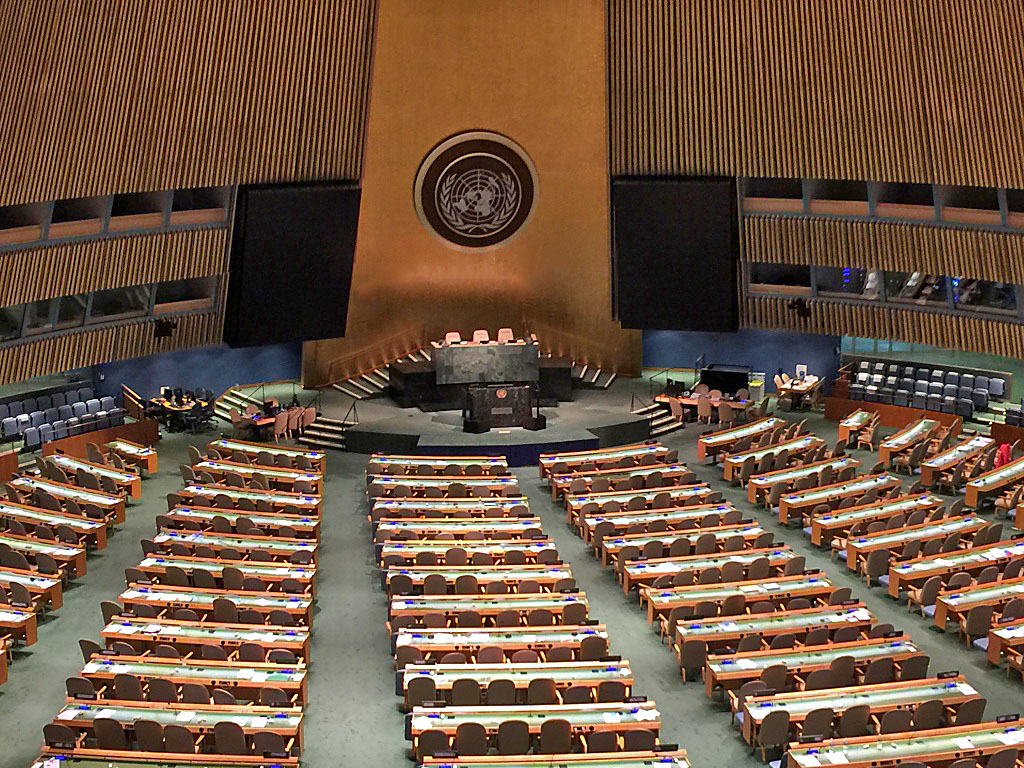
The U.N. General Assembly meeting, set to take place next week, will provide a platform for dialogue, though the political climate remains volatile. The visa decision underscores the complex interplay between diplomacy and military posturing in the region. As the situation unfolds, the international community watches closely for signs of de-escalation or further escalation.