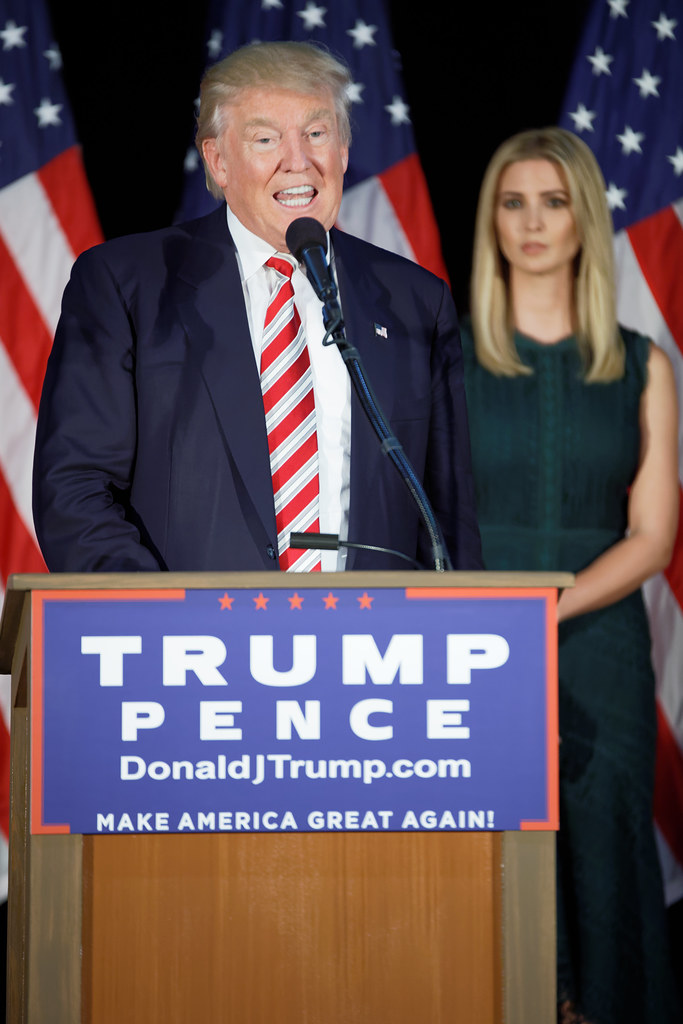
A Pakistani businessman, Asif Merchant, was sentenced to more than 27 years in a U.S. Prison for attempting to assassinate former President Donald Trump. The court found he had sought to hire a hitman to kill a U.S. Politician or government official. Merchant alleged ties to Iran, claiming the plot was steered from Tehran. The Department of Justice confirmed the sentence, stating the plan was in retaliation for the U.S. Killing of Iranian Revolutionary Guards commander Qassem Soleimani.
Soleimani, a key figure in Iran’s foreign military operations, was killed in a U.S. Drone strike. Merchant’s trial included testimony that he had planned the attack against U.S. Officials, including Trump, Biden, or Nikki Haley. The case highlights the alleged coordination between Iranian interests and individuals in the U.S. The sentencing underscores the legal consequences of such plots, even when they remain unexecuted.
The U.S.-Iran tensions have escalated, with reports of military actions and threats from both sides. In February 2026, a U.S. Strike on an Iranian elementary school in Minab was mistakenly identified as a military target by advanced AI systems. This incident raised concerns about the reliability of intelligence tools in conflict zones. Meanwhile, Trump has warned Iran of severe consequences if it threatens Washington. The case of Asif Merchant reflects the broader geopolitical risks and legal repercussions of cross-border plots.