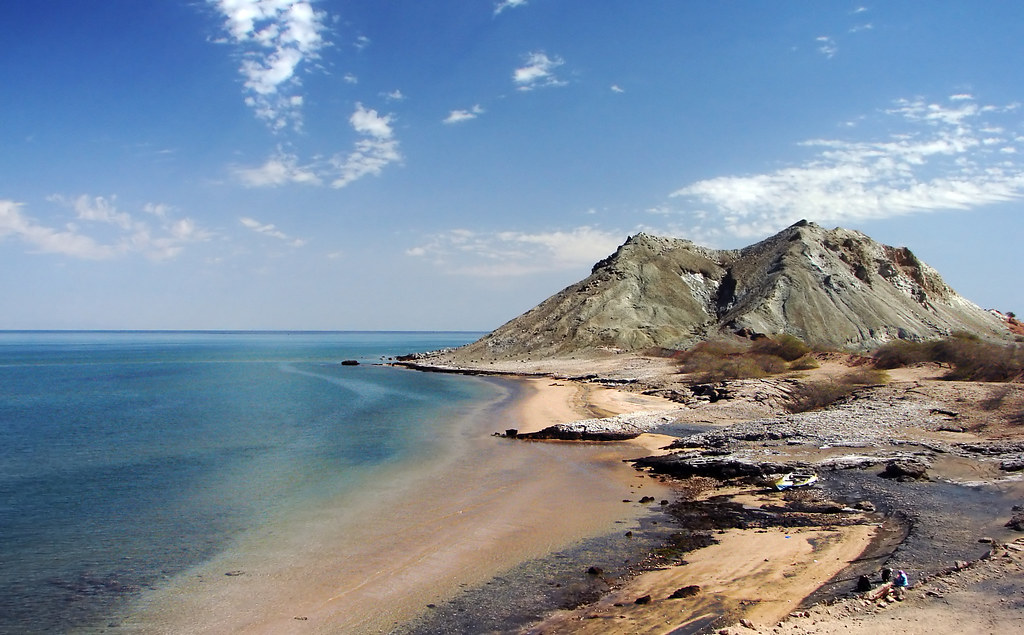
Iranian forces have threatened to strike the United States and its allies in the Gulf following a US military strike on the Iranian island of Qeshm. The attack, which occurred in the early hours of November 15, targeted a strategic location believed to be linked to Iran’s missile program. The US military confirmed the strike, which was part of a broader operation to disrupt Iranian military capabilities.
Iranian officials have responded with strong rhetoric, with Army Commander-in-Chief Amir Hatami declaring that Iranian forces would strike the US “along with its supporters” wherever they are based. This follows a pattern of escalating tensions between the two nations, with both sides conducting targeted strikes in the region. The US has deployed additional naval assets, including the USS Theodore Roosevelt, to the Gulf to bolster its presence.
Regional allies, including Kuwait and Bahrain, have reported Iranian missile attacks in response to the US strike. Local authorities in Kuwait confirmed that Iranian forces had targeted a US air base, though details remain unclear. Saudi Arabia has also condemned the attacks, with officials expressing concern over the increasing militarization of the region.
The conflict, which has been ongoing for nearly nine months, has seen a series of tit-for-tat strikes between Iran and the US. Mediation efforts by regional states have failed to produce a breakthrough, and the situation remains volatile. Analysts warn that the risk of further escalation is high, with both sides preparing for potential military confrontations.
The recent strike on Qeshm Island marks a significant escalation in the conflict, raising fears of a broader war. As tensions continue to rise, the international community watches closely for any signs of de-escalation or further hostilities.