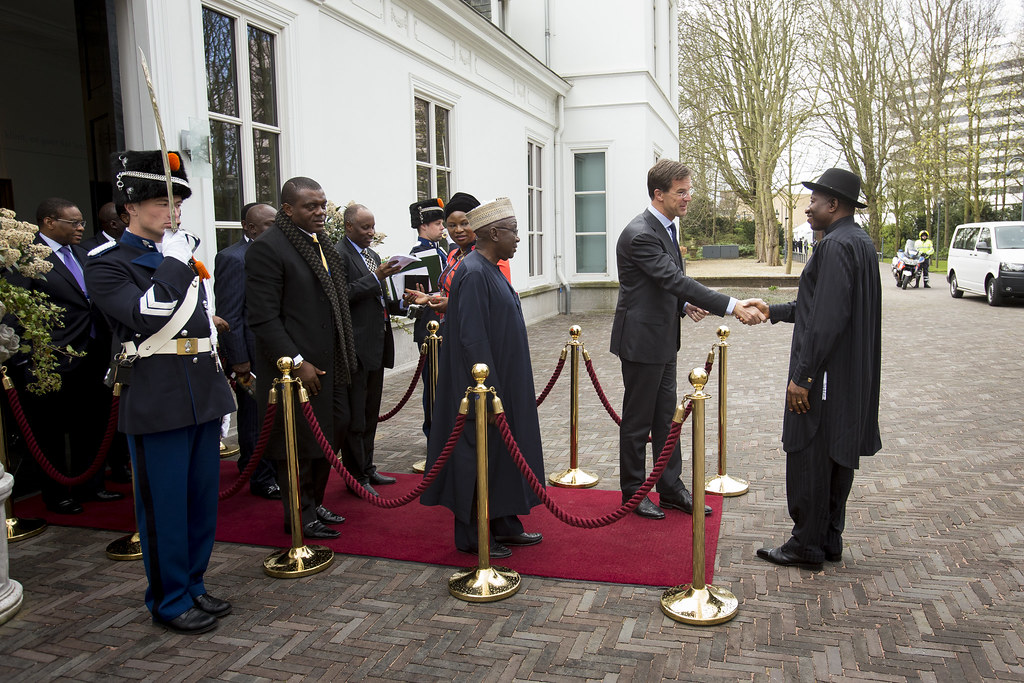
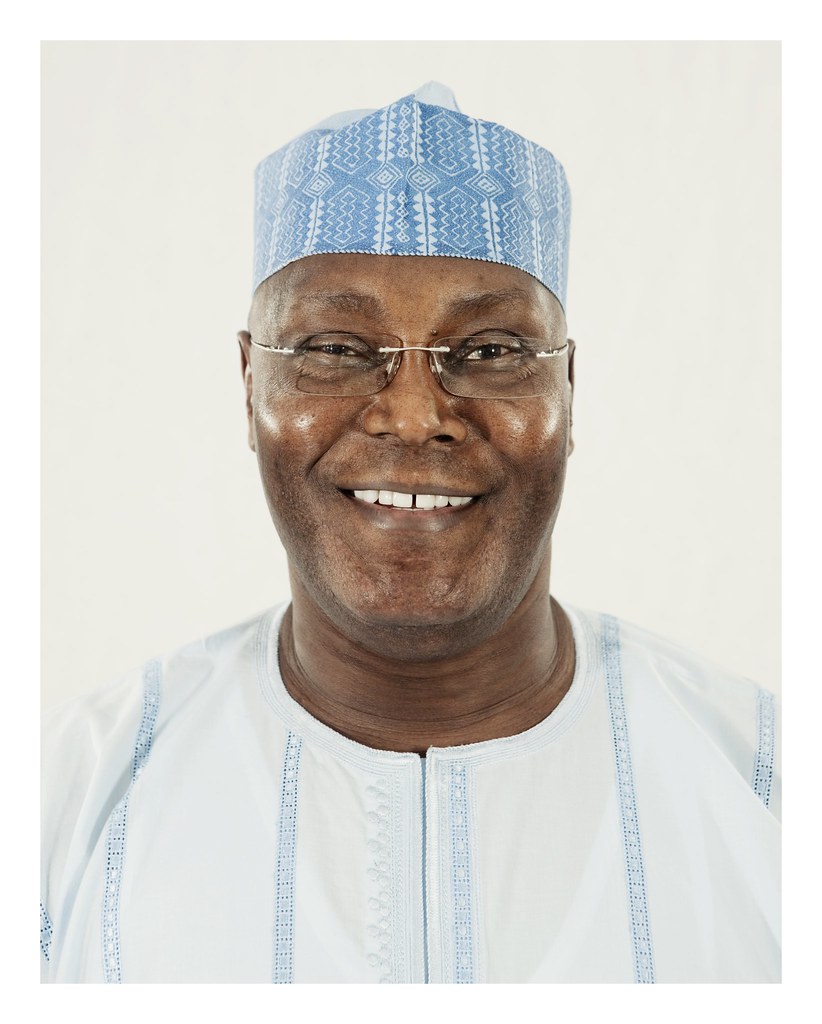
Former President Goodluck Jonathan has called for a major review of Nigeria’s democratic system and political leadership selection process, emphasizing the need to prioritize competence and merit over identity-based considerations. In a recent statement, Jonathan warned that the country’s development would remain stalled if political leadership continued to be influenced by ethnic, religious, or linguistic divisions.
Jonathan’s remarks come amid growing concerns over the direction of Nigeria’s political landscape. He specifically criticized the practice of selecting leaders based on identity, arguing that such an approach undermines national unity and hinders progress. The former president, who led Nigeria from 2010 to 2015, stressed that the nation must protect the vision of its founding fathers by ensuring that leadership is determined by ability rather than background.
His comments were echoed by other political figures, including members of the All Progressives Congress (APC), who have faced criticism for their role in organizing a national convention that endorsed Jonathan as a consensus candidate for the 2027 election. Some analysts argue that the APC’s actions could further polarize the political scene, potentially threatening the stability of Nigeria’s democracy.
The debate over leadership selection reflects broader tensions within Nigeria’s political system. While Jonathan’s call for merit-based leadership has gained traction among some reformists, others remain skeptical about the feasibility of implementing such changes in a deeply divided society. As the 2027 election approaches, the question of how leaders are chosen will likely remain a central issue in national discourse.