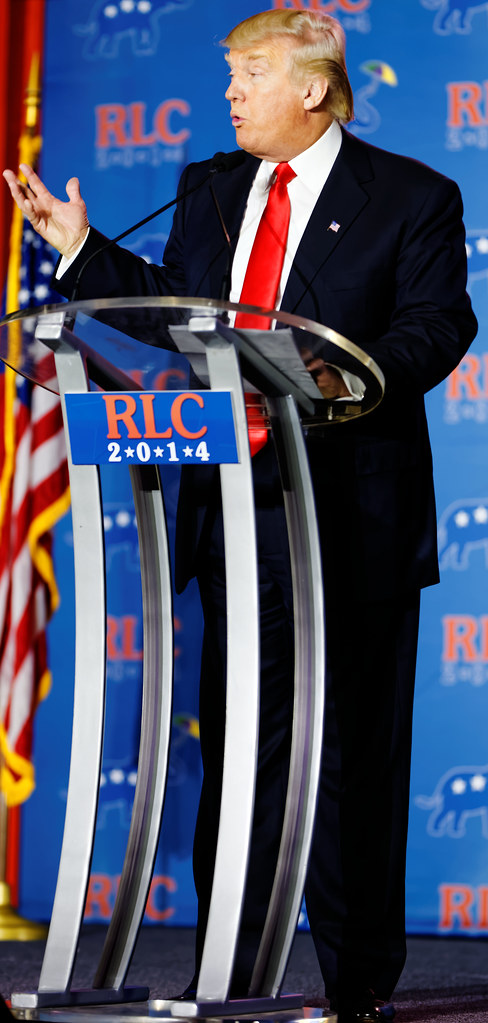
Democrats have reclaimed control of both chambers of the U.S. Congress in the November 3 midterm elections. The victory marks a significant political shift, delivering a major rebuke to President Donald Trump. Voters, frustrated by rising costs and the Iran war, rejected Trump's agenda and elected Democratic candidates across the country.
The Democratic Party now holds the House of Representatives and the Senate, giving them the power to block Trump's legislative priorities and investigate his administration. This control will constrain Trump's influence during his final two years in office. The results reflect a broader rejection of Trump's policies and a shift in public sentiment toward progressive governance.
This outcome follows a wave of voter dissatisfaction with Trump's leadership, particularly over economic hardship and foreign policy decisions. The Democratic victory is seen as a turning point in American politics, with implications for immigration policy, executive power, and legislative action. The new Congress is expected to challenge Trump's agenda, including his immigration crackdown and efforts to expand executive authority.
The election results also signal a growing political divide, with Republicans facing criticism for their alignment with Trump. Democratic leaders, including Senate Minority Leader Chuck Schumer, have condemned Trump's leadership, calling him the worst president ever. The Democratic victory is viewed as a historic moment, reshaping the political landscape for the remainder of Trump's presidency.