Canada has announced it will impose retaliatory tariffs on US imports starting September 8, in response to new 50% duties on nearly $28 billion worth of Canadian goods. The decision comes after trade talks between the two nations collapsed, with Canadian Prime Minister Mark Carney accusing the US of making last-minute, unfair demands that derailed negotiations.
Carney described the US actions as a “power play” and emphasized that the proposed trade deal was economically unsound. The retaliatory tariffs will target US products in a dollar-for-dollar manner, affecting sectors such as agriculture and manufacturing. Analysts warn the move could lead to significant job losses and economic disruption in Canada.
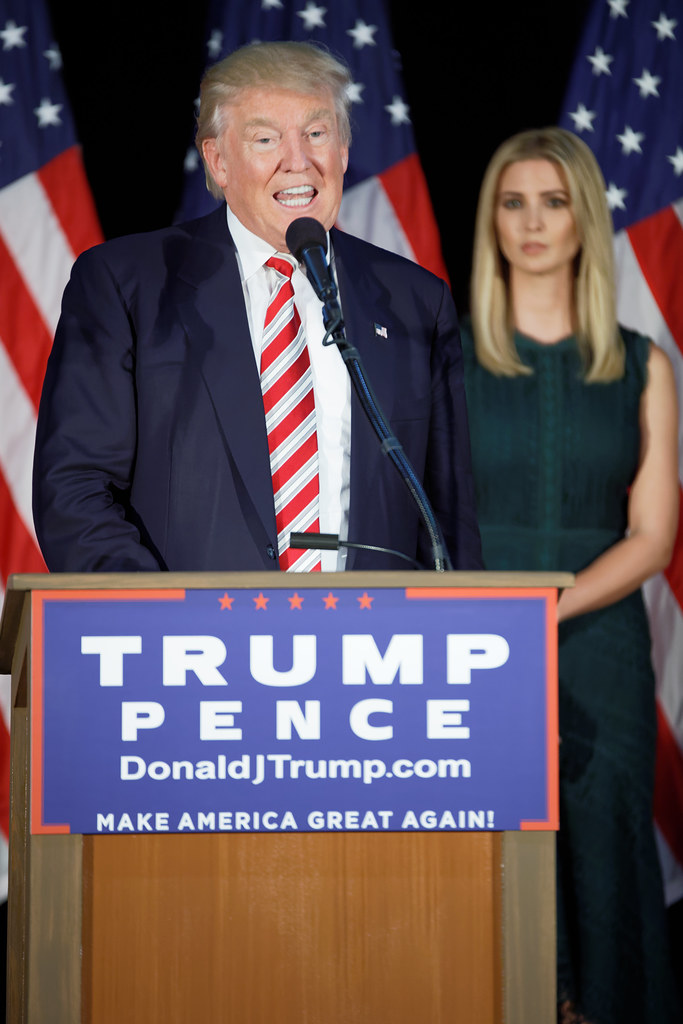
The trade war has escalated since Donald Trump’s second term, with multiple rounds of tariffs and protectionist policies. Canada’s decision reflects growing frustration with US trade practices and a push to protect domestic industries. The situation remains tense as both nations navigate the fallout from failed negotiations.
The impact of the tariffs is expected to be felt across both economies, with businesses and workers facing increased costs and uncertainty. As the trade war continues, the long-term implications for international relations and economic stability remain unclear.